


I recently had a very interesting conversation with a reader who suggested that I should not ignore AI. Because this is the next new normal and we have to adapt.
I agree but in the context of local AI. Local AI is the popular term used for the open source models that live on your system, stay offline and don't send data anywhere.
Sure, it's not for everyone and not every one would be interested in AI, irrespective of whether it is open source or not.
And that's why I am creating a separate newsletter called "Local AI Weekly" for people who are interested in learning and using the local (open source) AI.
If you are interested, you can subscribe to this upcoming newsletter.
FOSS Weekly will have the usual Linux and open source material that you love. No changes on that end. If you don't like AI, nothing changes for you.
📰 Linux and open source news that matter
David Plummer, the ex-Microsoft engineer who built the original Windows Task Manager, has had enough of what Notepad has become, his response is TinyRetroPad, a fully functional Notepad clone built in x86 assembly that comes in around 2.5KB.
Proton's Lumo 2.0 fills the gaps that made the original feel half-baked.
Memory is in; web search now actually searches, returning cited results instead of falling back on training data; and image generation is finally possible.
If you're not a developer or bug hunter, Ubuntu 26.10 Snapshot 2 isn't really worth your time yet; the user-facing stuff (GNOME 51, voice typing) is still months out. But Canonical has done some backend work that should simplify image delivery.
The Wine 11.12 release is mostly housekeeping, with fixes for two gamepad bugs worth knowing about. Need for Speed: Most Wanted had a stuck Up input firing on its own, and Super Hexagon went deaf to keyboard and mouse once a controller was plugged in.
The Linux Foundation has launched Akrites, a body for open source vulnerability handling, with roughly 20 founding members, including Anthropic, AWS, Google, Microsoft, GitHub, Red Hat, and NVIDIA.
Additionally, they have also announced their intent to launch the Agent Name Service, an open DNS-based standard for verifying AI agent identities. Here, every agent gets a versioned name and certificate tied to standard domain verification, with every registration and change logged in a tamper-evident, publicly auditable record.
Nate Graham of KDE has announced a fairly basic Developer Mode for KDE Linux that is supposed to let developers jump into a session tailored for Plasma or distro-related work.
ONLYOFFICE is now 16 years old. I did not know that it was inexostence for so many years. ONLYOFFICE gained popularity in the last few years as an open source office suite that has good compatibility with MS Office documentation format. That solves a major pain point for people who rely heavily on docx and xlsx and other such document formats.
🧠 What We’re Thinking About
We had an interesting chat with iodé's Brian Russell on what running a de-Googled Android distro project actually looks like in practice.
 Abhishek Prakash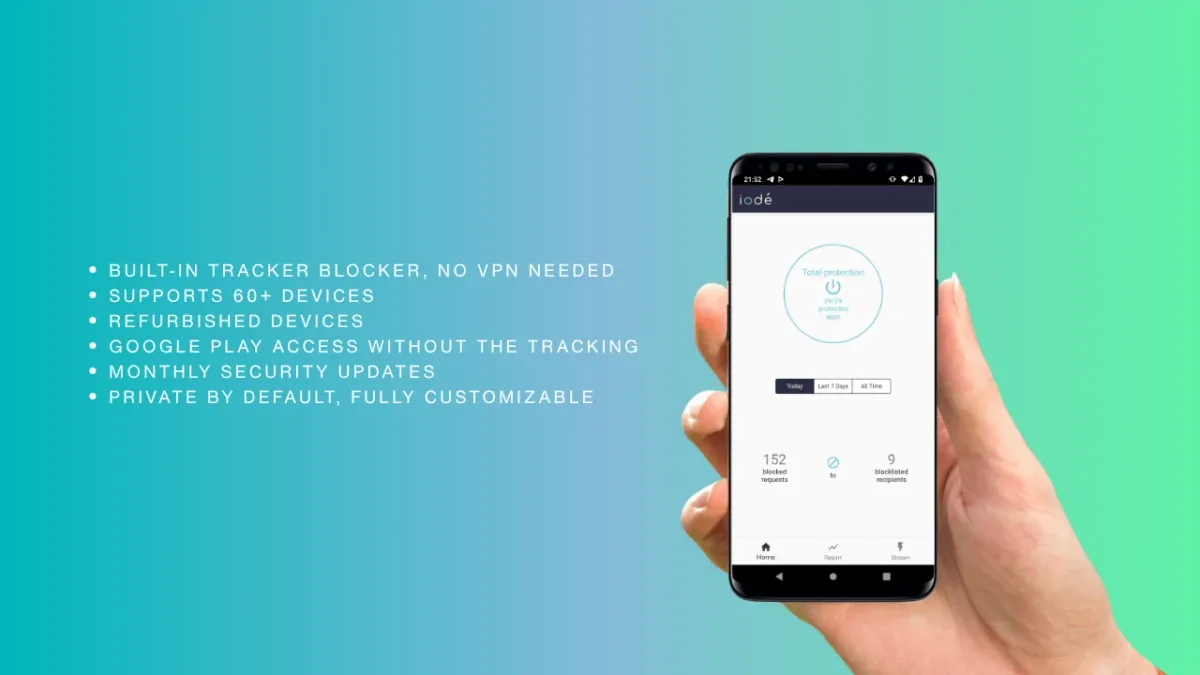
🧮 Linux Tips, Tutorials, and Learnings
If someone you know just switched to Linux and is intimidated by the terminal, we have a course to point them to. These are ten short chapters, all hands-on, that will walk them through core file operations.
KDE's System Monitor is a lot more flexible than its default layout suggests. Join us as we guide you through building your own page from scratch, picking chart styles, and organizing everything neatly with rows, columns, and sections.
Here are ten fonts worth knowing about if your terminal is still running whatever shipped with your distro.
1 backup is no back up. 2 backups are 1 backup and untested backups are not backups. Those are the golden rules for backups and I have a list of different kinds of backup tools you can explore on Linux.
👷 AI, Homelab and Hardware Corner
Purism's Linux-powered Librem 16 laptop starts at $2,899 for the base configuration and tops out at an absurd $11,944 if you max out every build-your-own option.
 Sourav Rudra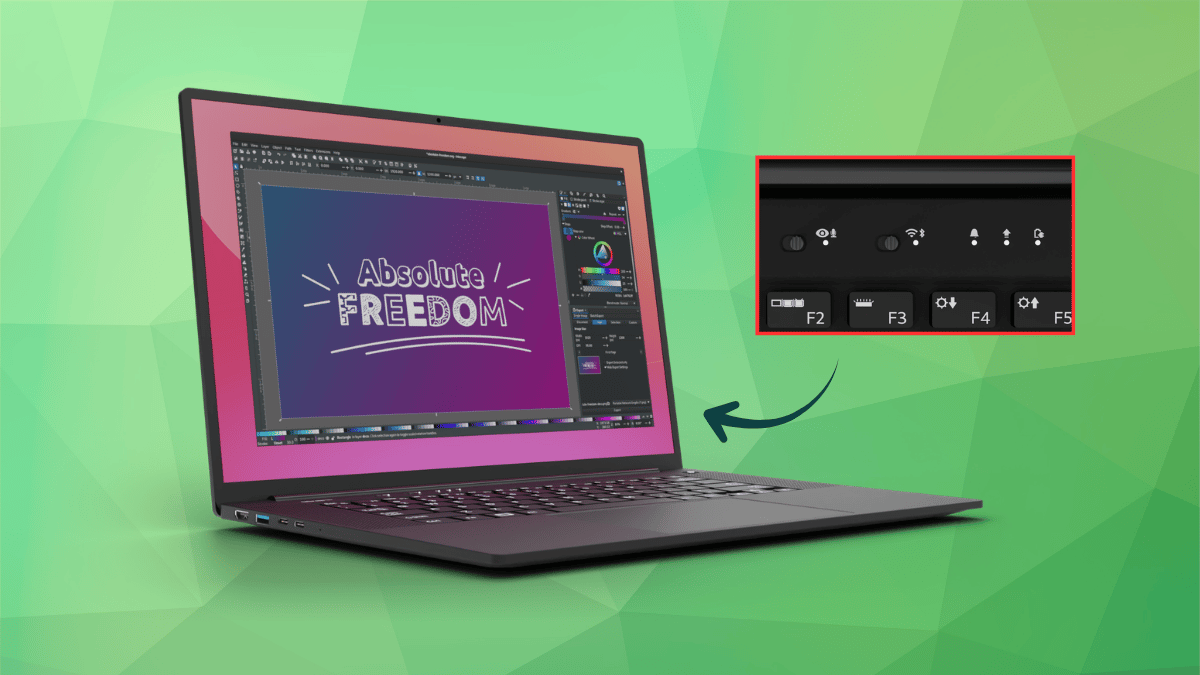
Why should you opt for It's FOSS Plus membership:
✅ Ad-free reading experience
✅ Badges in the comment section and forum
✅ Supporting creation of educational Linux materials
✅ Free Linux eBook
✨ Apps and Projects Highlights
KDE Step is a physics simulation tool that turns abstract concepts like harmonic motion, orbital mechanics, and electrostatic equilibrium into something you can actually watch play out.
 Pulkit Chandak
📽️ Videos for You
Keeping the batteries on modern laptops in optimum condition over time requires a little more attention than usual.
💡 Quick Handy Tip
In KDE Plasma, go to Settings -> Default Applications -> File Associations.
Here, search for a file type of your choice; as an example, I chose an .svg image below.
Now, arrange the applications in order of your choosing. Like Gwenview, Inkscape, and GIMP, then apply the changes.
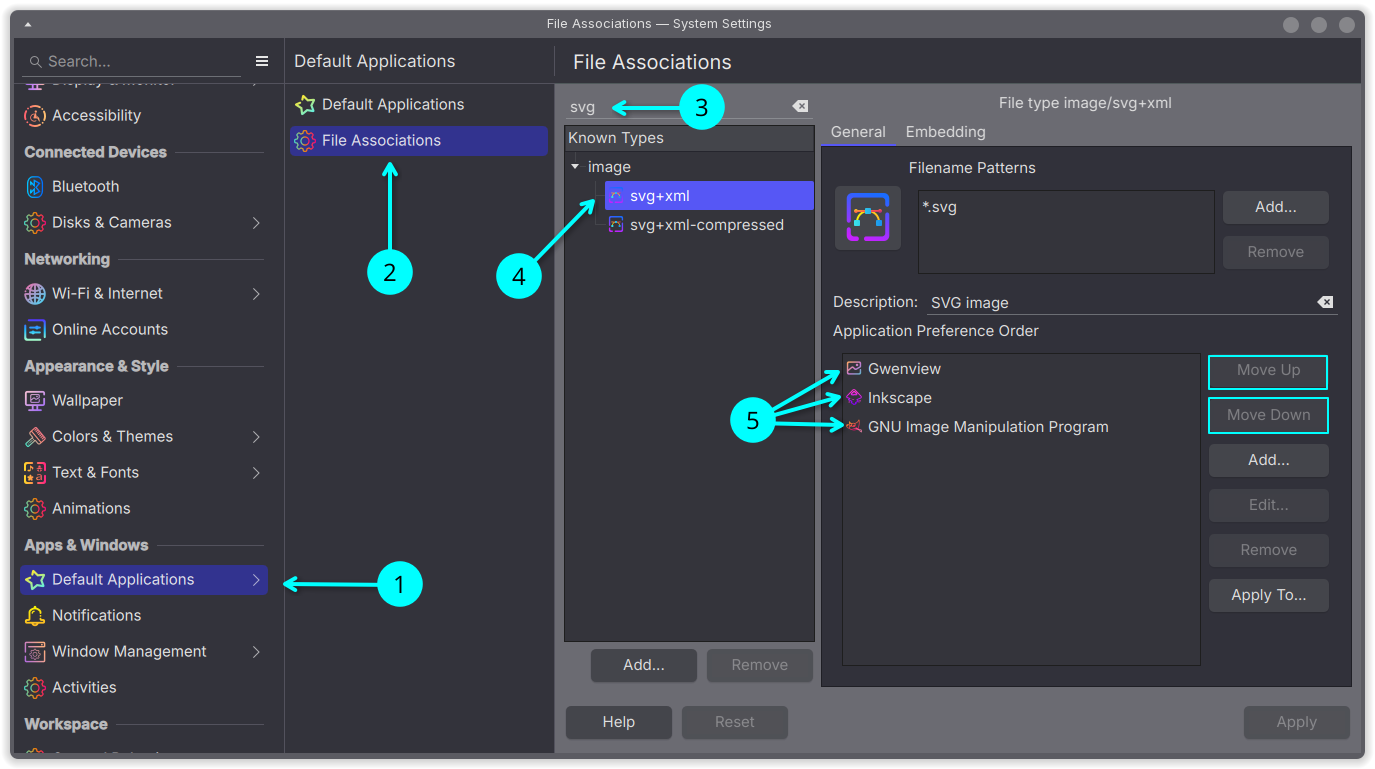
Now, in Dolphin file manager, you can double-left-click (first app in the list) to open the image in Gwenview, middle-click (second app in the list) to open in Inkscape, and Shift+middle-click (third app in the list) to open in GIMP.
You can do this for other file formats as well.
🎋 Fun in the FOSSverse
Some choices in this puzzle don't belong with the rest. Can you get them all?
 Abhishek Prakash
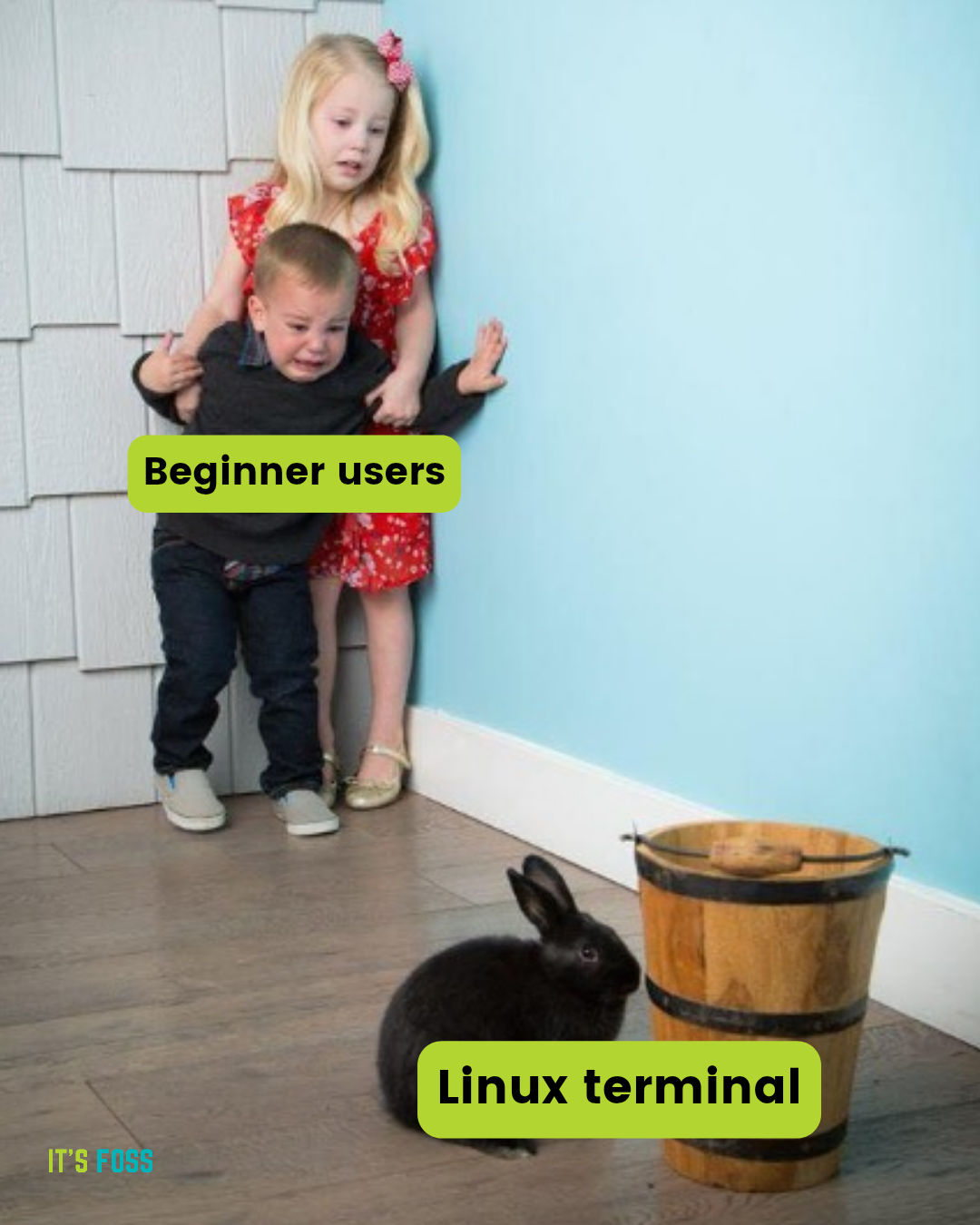
The terminal can bite you if you go to it ill-prepared. 🙃
🗓️ Tech Trivia: IBM just announced the world's first sub-1nm chip. The transistors are only 0.7nm wide, called 7 angstroms, and the new "nanostack" design packs about 100 billion of them into a chip the size of a fingernail. IBM says that this is 70% more efficient than their previous 2nm chips.
🧑🤝🧑 From the Community: Pro FOSSer Mikael is wondering what everyone thinks of AUR. Seeing the recent fiasco surrounding it, this is a well-timed thread.
Lastly a question for those who read the entire newsletter properly. Would you be interested in a text-only version of FOSS Weekly?
If this helped you, consider supporting It's FOSS
It's FOSS has been helping people use Linux for the past 14 years. Help us stay independent from big tech. Become a Plus member, enjoy ad-free reading and get 5 eBooks.
Skip the AI slop and SEO spam in your Google results
Tell Google you prefer It's FOSS, and it will show our Linux news and tutorials, created by experienced Linux users, more often when you search. It takes just a click.
Set as preferred sourceGet FOSS Weekly in your inbox