


I know not everyone wants to hear about AI all the time. But at this point, it’s impossible to ignore what’s happening.
It has been just a year since Anthropic launched Claude Code and the impact has been staggering.
In recent months, engineers at Anthropic reportedly stopped writing code manually for large parts of their workflow. Instead, they’ve been shipping feature after feature with AI-assisted development. The velocity is unlike anything we’ve seen before.
And the market noticed. Claude’s latest model release this month reportedly wiped out trillions of dollars from IT stocks globally within a single week.
Then came another shock.
A week later, Anthropic published a blog post claiming its AI can now modernize legacy COBOL codebases. IBM’s stock dropped 16% in a single day. Why? Because IBM still generates significant revenue maintaining mainframe systems that power banks, airlines, and critical financial infrastructure.
And don’t assume this only affects programmers. This shift touches all of us.
A recent research paper showed that tools like Claude and ChatGPT can de-anonymize your anonymous online identity with surprising ease.
 Abhishek Prakash
The barrier to uncovering digital identities is collapsing. AI isn’t just changing how code is written. It’s changing privacy, security, and the economics of entire industries.
But here’s the important part.
Every major computing shift felt destabilizing at first; from assembly to high-level languages, from physical servers to the cloud. We’re witnessing the beginning of a new era. And we’re still early.
Here's the highlight of this edition of FOSS Weekly:
- Red Hat open-sourcing a tool.
- Some dock options for your system.
- Lightweight OpenClaw alternatives.
- New KDE Plasma release with many upgrades.
- And other Linux news, tips, and, of course, memes!
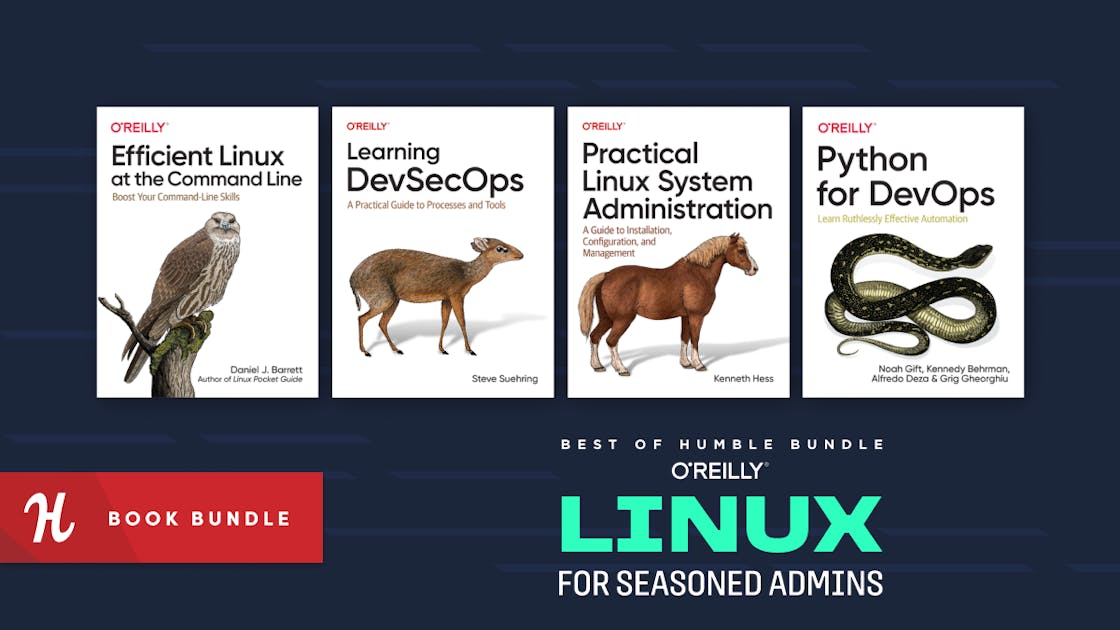
Humble Bundle has brought back the "Linux for Seasoned Admins" ebook bundle offer (partner link). From the classic Linux Pocket Guide and my favorite, Efficient Linux at the Command Line, the bundle also has ebooks on Docker, Ansible, Kubernetes and other devops aspects of Linux.
And your purchase also supports the Code for America initiative.

📰 Linux and Open Source News
Here's a summary of the news this week.
Red Hat has open-sourced a digital sovereignty assessment tool under the Apache 2.0 license. It asks 21 questions across 7 domains and scores organizations on a four-level maturity scale.
KDE Plasma 6.6 just landed with some practical upgrades. Spectacle now does OCR so you can pull text straight from screenshots, there's a new setup wizard for fresh installs, and WiFi QR code scanning works if you've got a camera.
Colorado's pushing a bill that would force operating system makers to ask users their age at setup, then share that info with every app they install. The bill never explains how age gets verified. Anyone could just lie.
Independent web browser Ladybird just ported 25,000 lines of its JavaScript engine from C++ to Rust in two weeks using Claude Code and Codex AI. The code passed 52,000+ tests with zero failures.
Australia's cyber agency recently open-sourced Azul, a malware analysis platform for incident responders. It stores samples indefinitely, automates reverse engineering with reusable plugins, and clusters patterns across malware families.
ONLYOFFICE's latest desktop editor release brings improvements to its PDF editing capabilities among other things.
🧠 What We’re Thinking About
App stores work great until you need real package control. This opinion piece by Roland argues Linux needs a modern Synaptic replacement for power users, but built with the Wayland security model in mind instead of running everything as root.
 Roland Taylor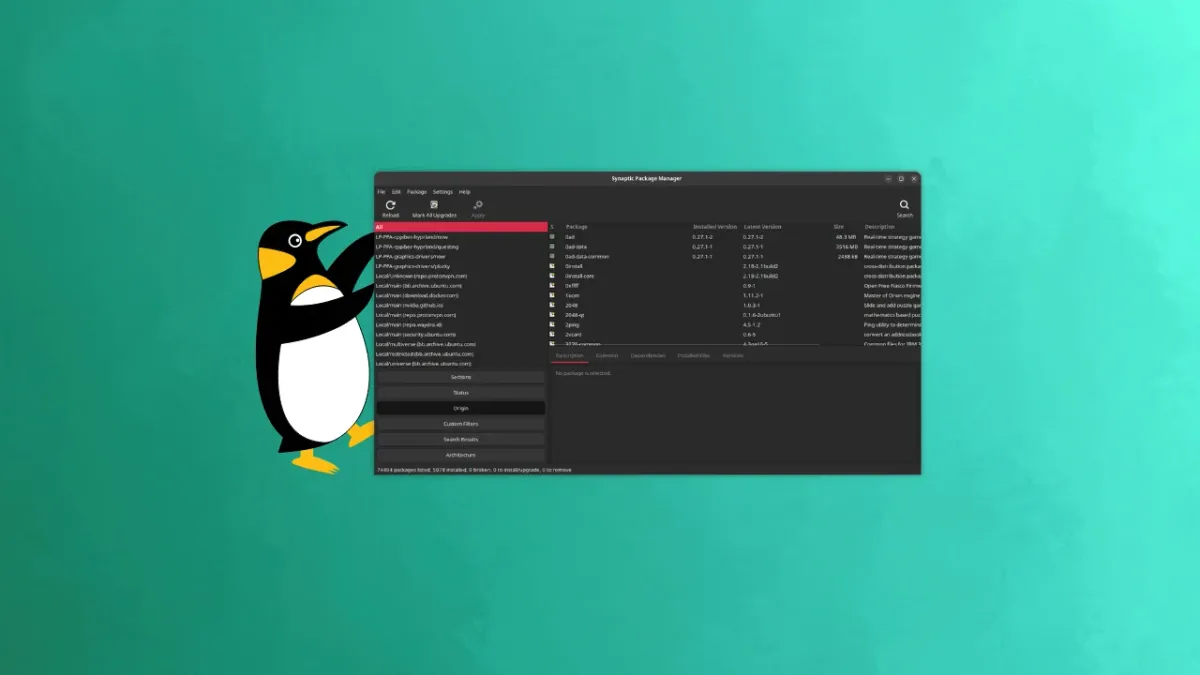
AI may not need your attention, but us humans do. YOUR support keeps us going. And it costs less than a McDonald's Happy Meal.
Opt for the Plus membership to:
✅ Get 5 FREE eBooks on Linux, Docker and Bash
✅ Enjoy an ad-free reading experience
✅ Flaunt badges in the comment section and forum
✅ To support creation of educational Linux materials
🧮 Linux Tips, Tutorials, and Learnings
Our comprehensive guide to keyboard shortcuts in Linux Mint covers everything from basics like Super for the start menu and Ctrl+Alt+T for the terminal to workspace management, window tiling, screenshots, and session control.
Looking to replace your Linux desktop's default dock? We covered seven options ranging from lightweight Plank to the heavily customizable Latte and the old-school Cairo. Also includes a window manager-friendly pick like Tint2.
Linux distros are switching to Wayland by default, but legacy apps still need Xorg, so knowing which display server you're running matters when troubleshooting. A quick terminal command reveals whether you're on Wayland or X11.
echo $XDG_SESSION_TYPE👷 AI, Homelab and Hardware Corner
OpenClaw's memory hunger kills it on Raspberry Pi and cheap SBCs. Here are some projects that remedy it by building an AI agent architecture for constrained hardware.
 Edmar Pereira
✨ Apps and Projects Highlights
To-do apps usually mine your data for ads. Super Productivity doesn't collect anything, just asks for notification access. It also offers Jira sync, Pomodoro timers, and time tracking.
 Sourav Rudra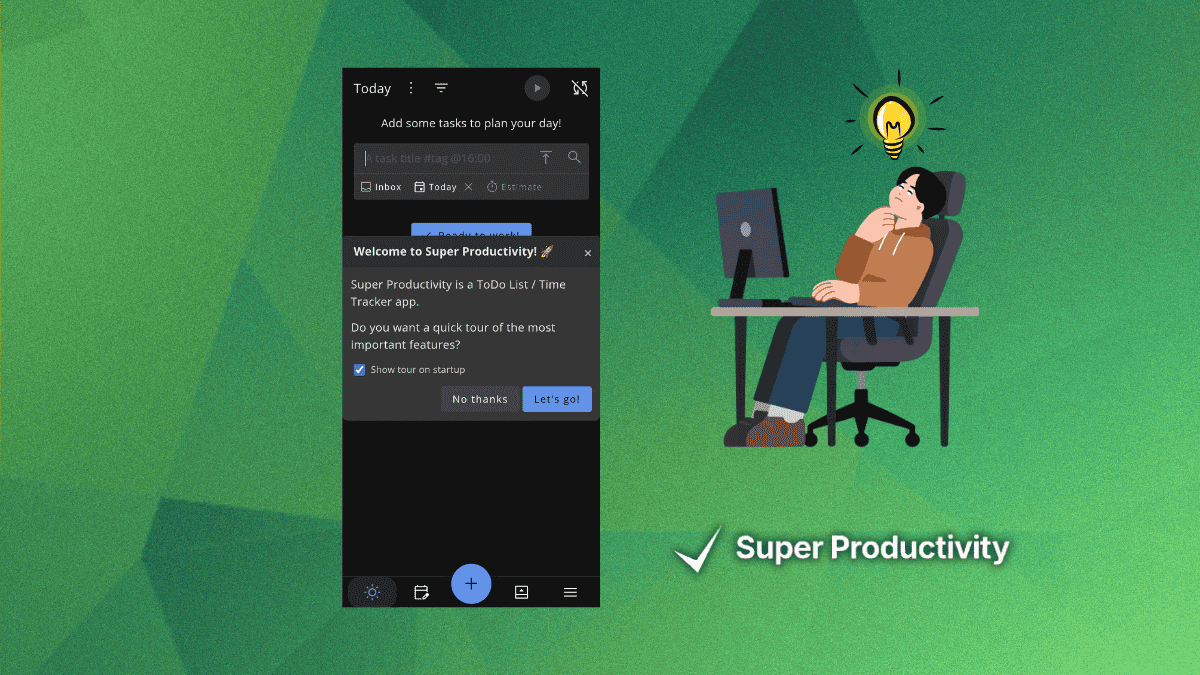
📽️ Videos for You
In the llatest video, I share how I clean up systemd logs on my Linux systems, both desktop and servers.
💡 Quick Handy Tip
In Linux Mint (Cinnamon desktop), you can right-click the title of a window and enable "Always on Top" and "Always on Visible Workspace". This ensures that the currently open window stays on your current workspace, and will be above every other app window.
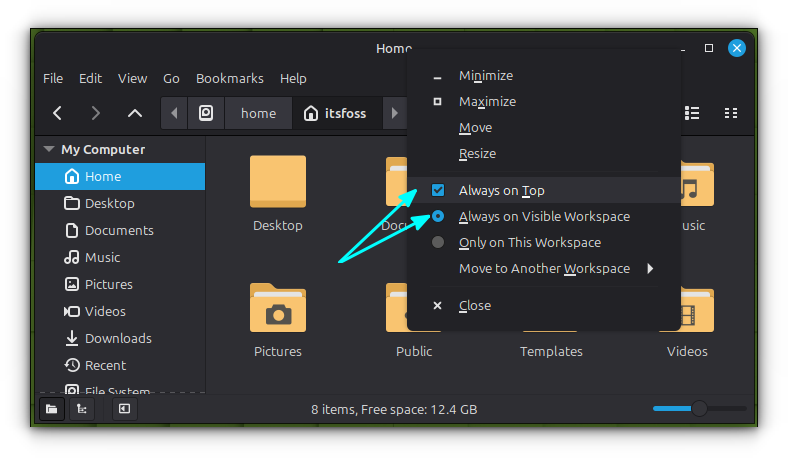
You will also find this on other modern desktop environments like KDE Plasma and GNOME as well.
🎋 Fun in the FOSSverse
Can you correctly guess these legendary open source projects?
 Abhishek Prakash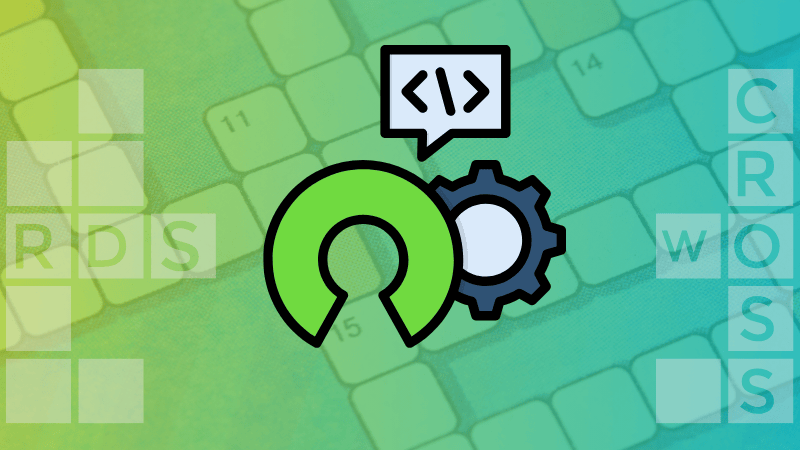
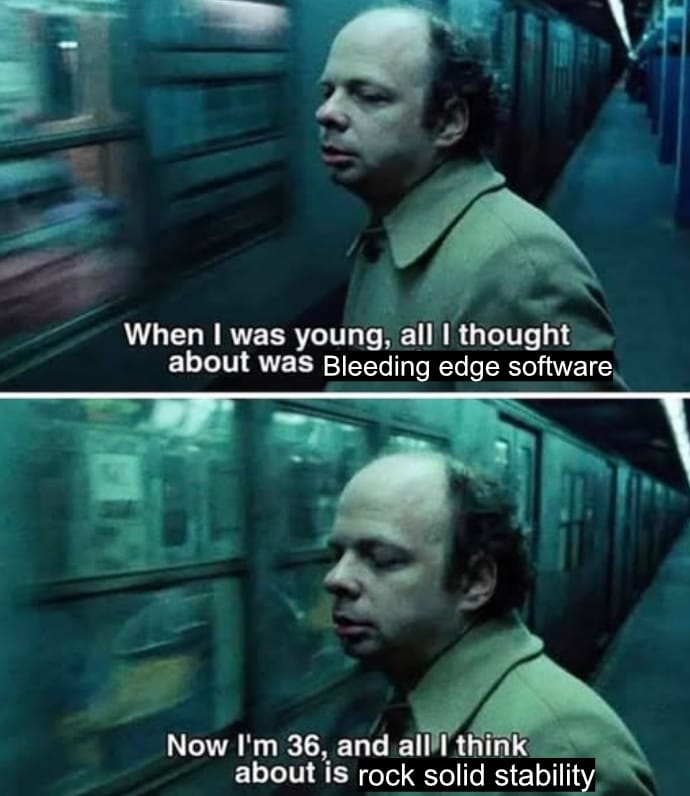
🤣 Meme of the Week: Oh, how the times change. From Arch Linux to Debian.
🗓️ Tech Trivia: On February 25, 1959, MIT and the U.S. Air Force debuted APT (Automatically Programmed Tool) (I know you thought about the Linux one). It was the world’s first "English-like" programming language for machinery, effectively birthing Computer-Aided Manufacturing (CAM).
🧑🤝🧑 From the Community: The Apache Software Foundation is looking for people to present at Community Over Code 2026 in Glasgow. Are you up for it?
If that's not your cup of tea, why not talk with a fellow FOSSer about their kernel panic issue.