


In recent times, Huawei has been China's best-standing answer to Apple's monopoly over the personal tech market. Smartphones, laptops, tablets, they do it all and they do it at a level on-par with the best companies currently working.
This is not a dynamic that has been around forever, but a more recent shift as China has been seeing a huge surge in the usage of domestic software, such as operating systems and databases. The credit is given to a steady improvement in the smoothness and ease of usage of these technologies.
Yu Chengdong, Huawei’s Executive Director reported that as of the end of March 2026, HarmonyOS has been on more than 55 million devices, adding 23 million in just under six months, which is a massive number for sure. Market giants who wish to maintain their monopoly have every reason to be worried about the competition.
What makes it a popular choice?
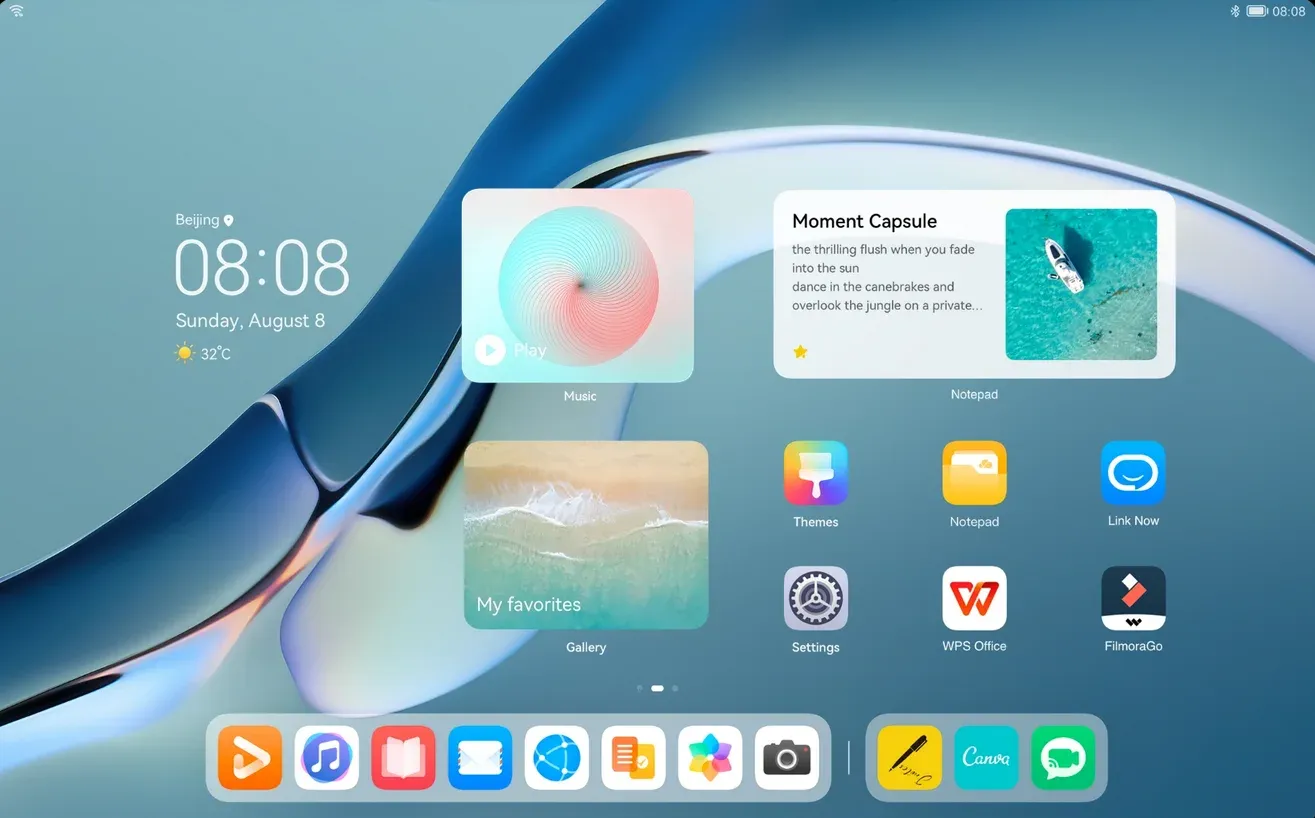
The reason for such popularity and wide usage of HarmonyOS can be seen through the improvements it has made to its operating system in its latest release, HarmonyOS 6, such as:
- Fluid animations that make the phone feel smoother, such as bringing the lighting and glass-like UI elements.
- Measurable performance improvement made by Ark engine (the APIs that handle multimedia and graphics, especially gaming and video), and giving a better battery life.
- Latest AI assistance tools, including scheduling and camera features that configure depth and focus in one touch.
- AI-driven StarShield Security Architecture to improve security with added focus on anti-scam features and privacy improvements.
- Wider native adaptations of third-party apps.
- Huawei's growing range of affordable and feature rich mobile devices
These are only some of the elements that HarmonyOS and Huawei owe their success to. But what does it mean for the open-source community?
How does it impact FOSS communities?
HarmonyOS is based on OpenHarmony, an open source mobile operating system base that is similar to Android's AOSP but independent from it. This mass adoption of HarmonyOS encourages more contributions to the OpenHarmony kernel, showing growth in related projects as well, such as EulerOS.
The catch, however, is that HarmonyOS still functions on a lot of proprietary layers, including the aforementioned Ark compiler and the UI elements. Added to that, the Chinese documentation makes it inaccessible to a large chunk of the world population.
Some people are critical of rather unusual activities, such as Huawei spamming open source projects, urging them to use HarmonyOS. Critics see it as intrusive, while others find it acceptable as they're only using whatever means they can to bring more apps and services into the fold of their OS.
A new challenger?
A new contender challenging the Apple/Google duopoly is actually a good news for the consumers, especially with more affordable devices, as it keeps all makers involved on their toes.
While this benchmark of 55 million devices indicates that there is scope beyond iOS and Android in the mobile operating system domains. Of course, this success is tightly coupled to the awesome Huawei hardware.
Let me know what your thoughts are on Huawei's milestone in the comments. Cheers!
Enjoyed this update? Support independent Linux news coverage
It's FOSS has been helping people use Linux for the past 14 years. Help us stay independent from big tech. Become a Plus member, enjoy ad-free reading and get 5 eBooks.
Skip the AI slop and SEO spam in your Google results
Tell Google you prefer It's FOSS, and it will show our Linux news and tutorials, created by experienced Linux users, more often when you search. It takes just a click.
Set as preferred sourceGet FOSS Weekly in your inbox