


While Android is based on a Linux kernel, it has been heavily modified. So, that does not make it a full-fledged Linux-based operating system. Google is trying to get the Android kernel close to the mainline Linux kernel, but that is still a distant dream.
So, in that case, what are some of the options if you are looking for a Linux phone? A smartphone powered by a Linux operating system.
It is not an easy decision to make because the options are super limited. Hence, I try to highlight some of the best Linux phones and a few different options from the mainstream choices.
You need to carefully check the availability, expected shipping date, and risks of using a Linux phone. Most of these are only suitable for enthusiasts or early adopters.
1. PinePhone
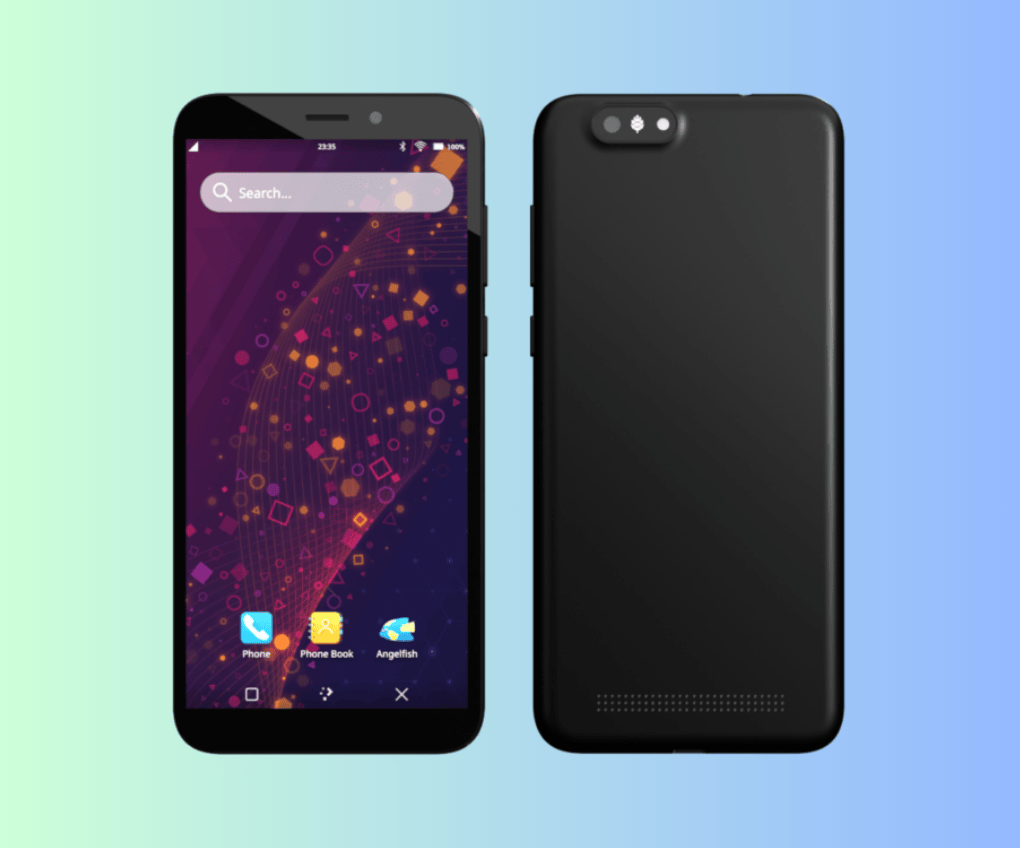
PinePhone is one of the most affordable and popular choices to consider as a promising Linux phone.
It is not limited to a single operating system. You can try it with Manjaro with Plasma mobile OS, UBports, Sailfish OS, and others. PinePhone packs in some decent specifications that include a quad-core processor and 2/3 Gigs of RAM. It does support a bootable microSD card to help you with installation, along with 16/32 GB eMMC storage options.
The display is a basic 1440×720p IPS screen. You also get special privacy protection tweaks like kill switches for cellular, Bluetooth, microphones, and cameras.
PinePhone also gives you the option to add custom hardware extensions using the six pogo pins available. The base edition (2 GB RAM/16 GB storage) comes loaded with Manjaro by default and costs $149. The Convergence Edition (3 GB RAM/32 GB storage) costs $199.
2. PinePhone Pro

The PinePhone Pro is Pine64's flagship Linux smartphone that offers a major upgrade over the original PinePhone.
It features a Rockchip RK3399S hexa-core processor with 4GB of RAM and 128GB of storage. The device comes with a 6-inch display protected by Gorilla Glass 4, a 13MP Sony camera, and the same privacy hardware kill switches found on the original PinePhone.
The PinePhone Pro costs $399 and supports multiple Linux distributions like Manjaro, postmarketOS, Sailfish OS, and Ubuntu Touch. You can also connect it to an external display and use it as a full desktop computer.
Keep in mind that stocks for this come and go, so getting one could be tricky.
3. Librem 5
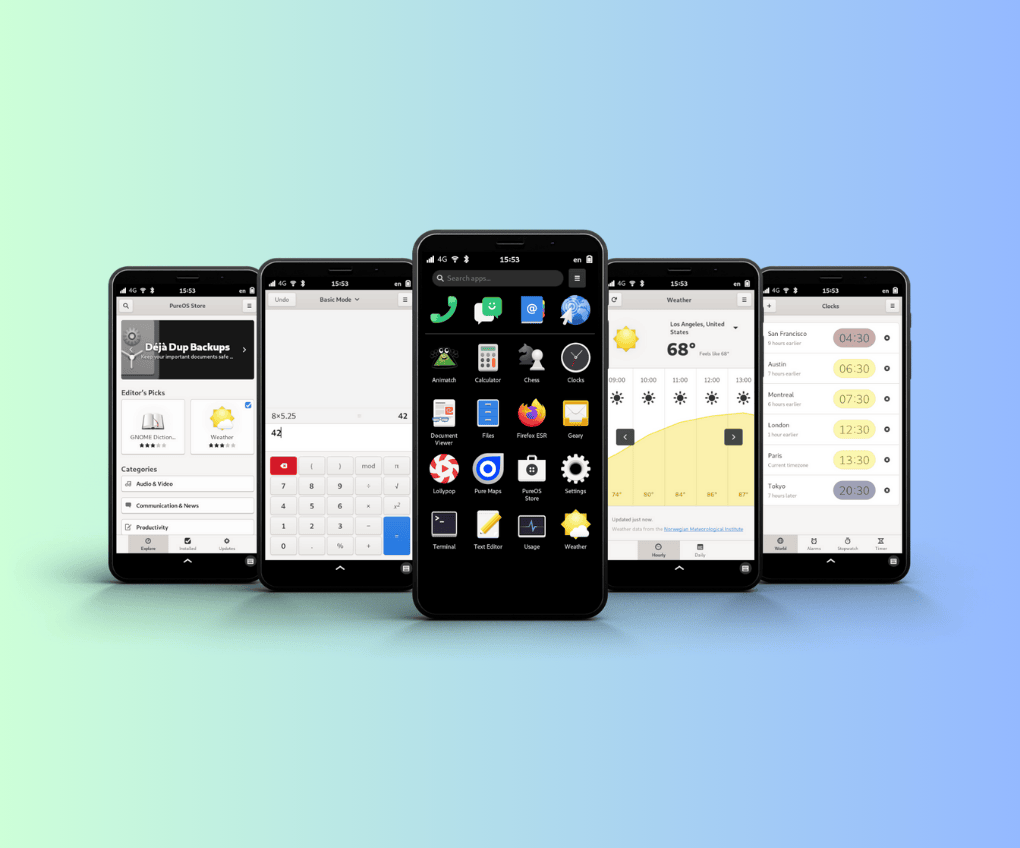
Librem 5 is a smartphone that focuses heavily on user privacy while featuring an open source operating system, i.e., PureOS, not based on Android.
The specifications offered are decent, with 3 Gigs of RAM and a quad-core Cortex A53 chipset. But this is not something geared to compete with mainstream options. Hence, you may not find it a value-for-money offering.
It is aimed at enthusiasts who are interested in testing privacy-respecting smartphones in the process. Similar to others, Librem 5 also focuses on making the phone easily repairable by offering user-replaceable batteries.
For privacy, there are kill switches for Bluetooth, cameras, and microphones. They also promise security updates for years to come.
4. Liberty Phone
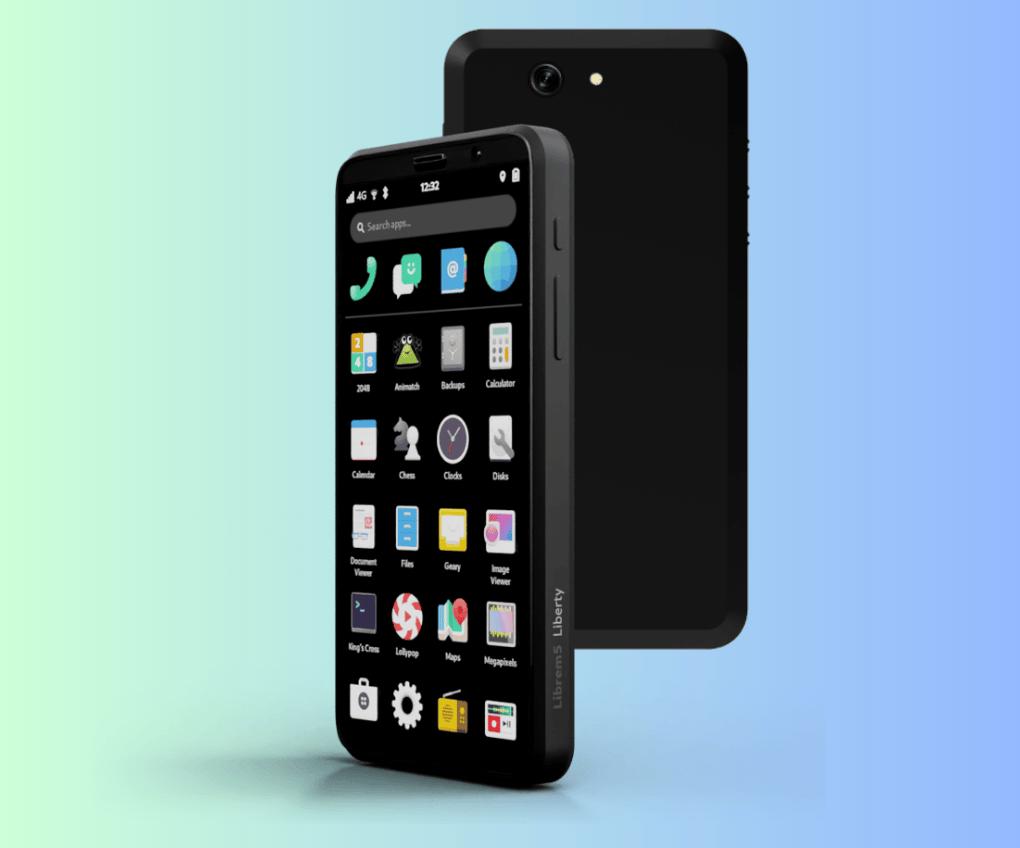
The Liberty Phone is Purism's premium option that builds on the Librem 5 with better specs and a unique feature: Made in USA Electronics.
The Liberty Phone packs 4GB of RAM and 128GB of storage, along with a 4,500mAh battery. All the electronics are made at Purism's facility in the United States, and the final assembly also happens in the USA. This gives you a secure supply chain, which matters if you're concerned about hardware backdoors or supply chain attacks.
The Liberty Phone runs the same PureOS and includes the same hardware kill switches for WiFi, cellular, and microphone/cameras.
The enhanced security and US manufacturing come at a premium, though. The Liberty Phone costs $1,999, making it the most expensive option on this list.
5. Volla Phone 22
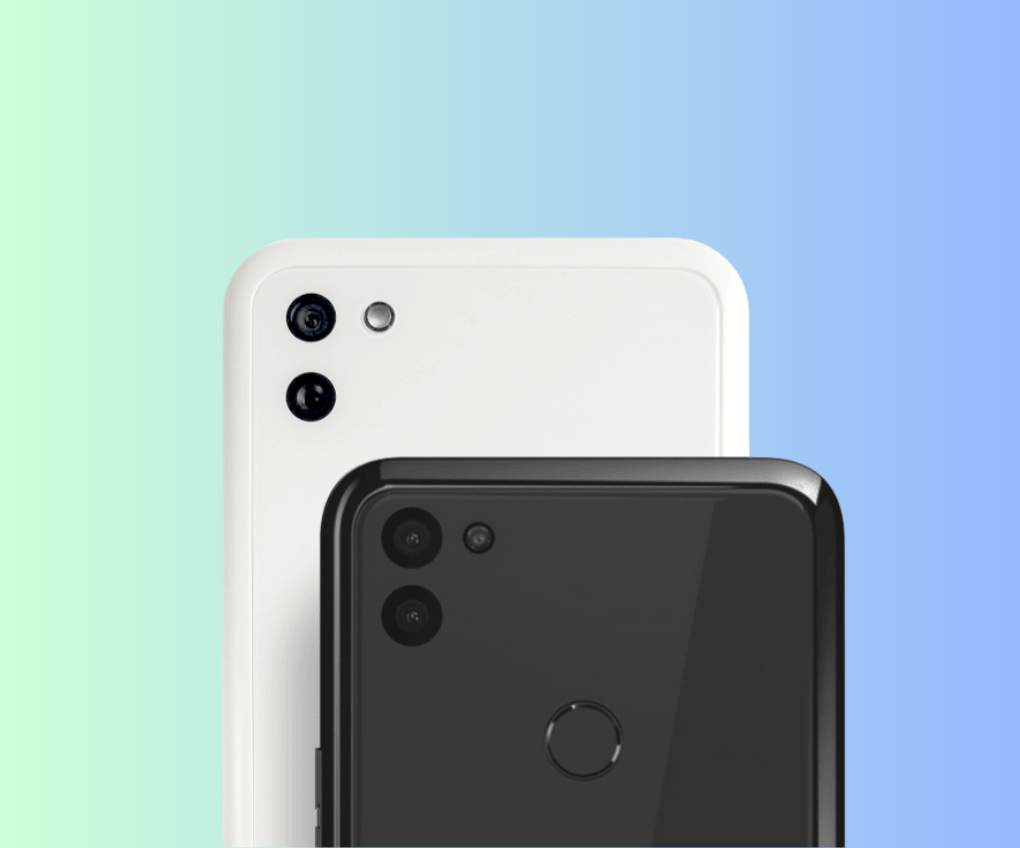
The Volla Phone 22 is an interesting option that sits between Android and traditional Linux phones, giving you the best of both worlds.
What makes the Volla Phone 22 special is its multi-boot feature. You can run both Volla OS (a de-Googled, privacy-focused Android) and Ubuntu Touch on the same device. This makes it a good choice if you want to try Linux phones while keeping a familiar Android experience.
The hardware includes a 6.3-inch FHD+ display, 4GB of RAM, 128GB of storage, and a 48MP + 8 MP dual camera setup. The device has a user-replaceable 4,500mAh battery too.
The Volla Phone 22 costs around €452-464, giving you a practical middle ground between mainstream Android phones and pure Linux options.
6. Jolla Phone
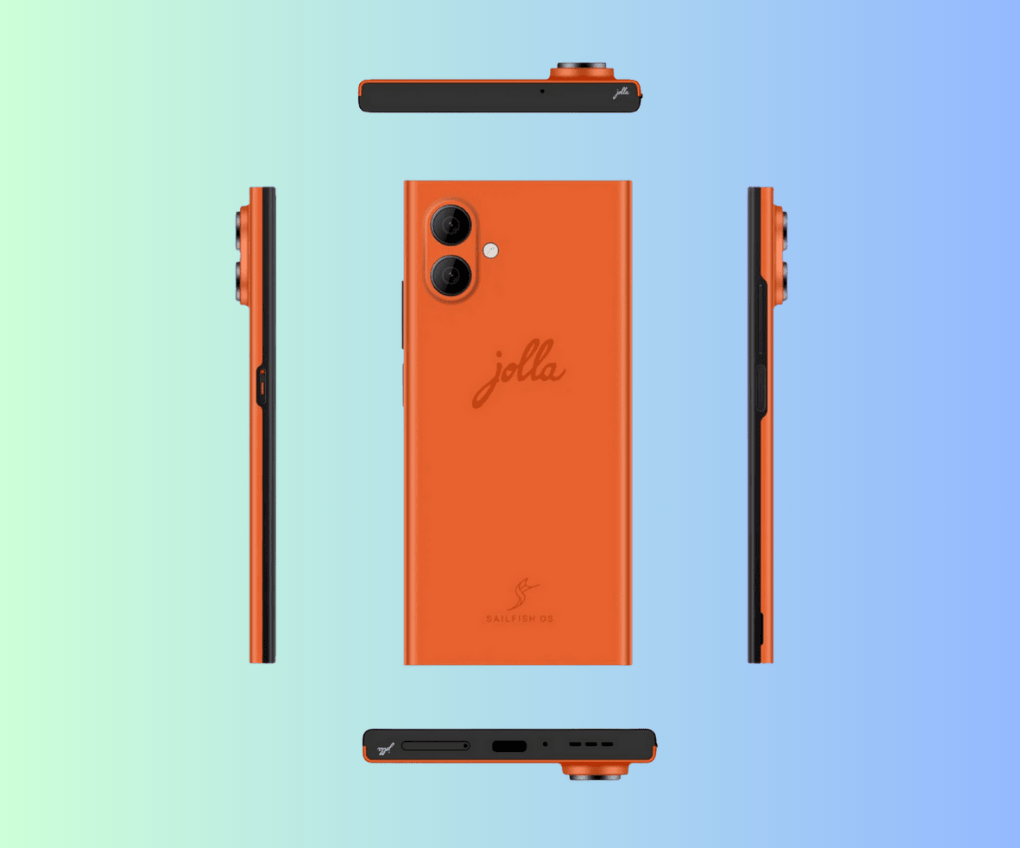
After ten years since their original 2013 phone, Jolla has returned with a new Jolla Phone, and the response has been strong.
The device packs modern specs, including a MediaTek 5G chipset, 12GB of RAM, 256GB of storage, and a 6.36-inch FHD+ AMOLED display. The 5,500mAh battery is user-replaceable, and the phone has a physical privacy switch for security. It runs Sailfish OS 5, which gives you a real Linux experience while supporting Android apps through Jolla AppSupport.
This is a community-funded device. Jolla needed at least 2,000 pre-orders to start production. That goal was hit in under 48 hours, with over 2,500 pre-orders in the first weekend.
Pre-orders for Batch 3 are available now with a €99 deposit for getting the device at €579, with delivery expected by mid-2026.
 Sourav Rudra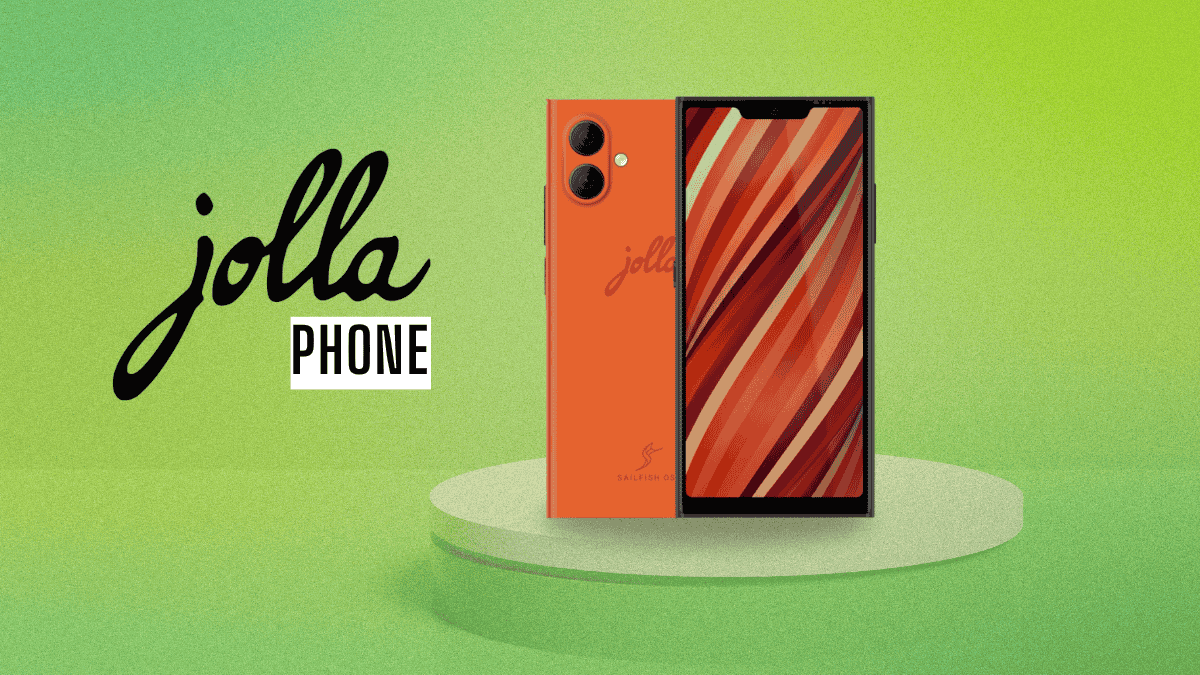
7. FuriPhone FLX1s
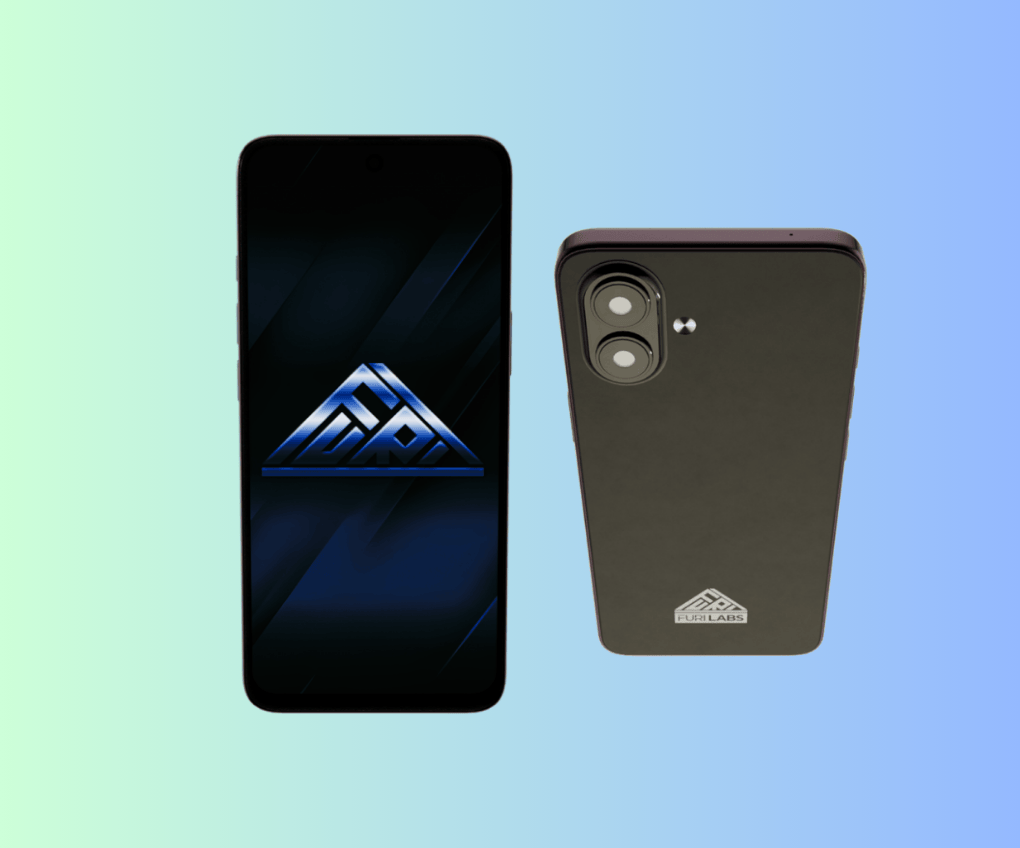
The FuriPhone FLX1s from FuriLabs is an interesting device. It runs on a MediaTek Dimensity 900 5G chipset with 8GB of RAM and 128GB of UFS storage. The 6.7-inch display runs at 90Hz, and the battery is a 5,000mAh Li-Po unit.
For privacy, the FLX1s has three hardware kill switches for the microphone, camera, and modem/GPS.
On the software front, the device runs FuriOS, a Debian-based operating system with lots of flexibility. You can set up multi-boot, run Android apps through a container system, and the OS even has KVM virtualization support so you can run multiple operating systems at the same time.
You can grab one for yourself for $550 from the official store.
 Sourav Rudra
8. Divine D.
The Divine D. is an ambitious project with plans that go beyond what's currently available in mobile Linux. It is being developed by dawndrums, a young company in Tunisia that recently hit a milestone with their Rev 1.1 board design.
The hardware specs are impressive. At the core is a Rockchip RK3588S processor with 4x Cortex-A76 cores at 2.4 GHz and 4x Cortex-A55 cores at 1.8 GHz. Graphics are handled by an Arm Mali-G610 GPU. The device also has a three-core NPU that delivers 6 TFLOPS of processing power.
The project is still in active development. There's no pricing or shipping timeline yet.
 Sourav Rudra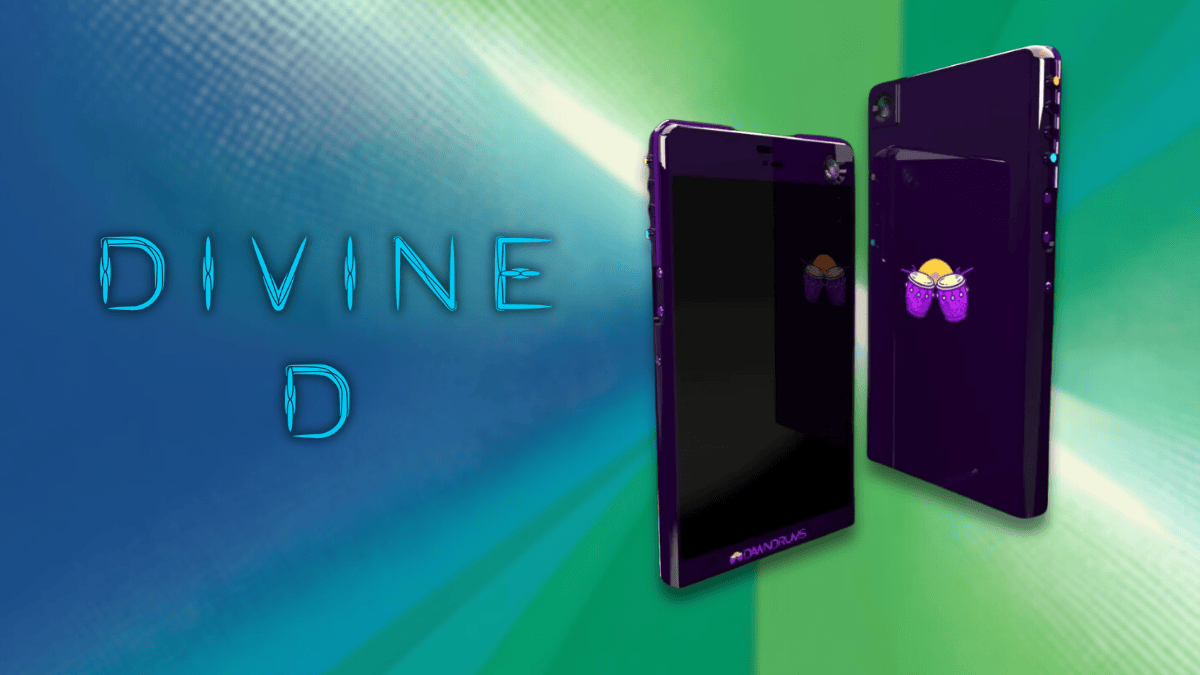
9. Void Phone VX1
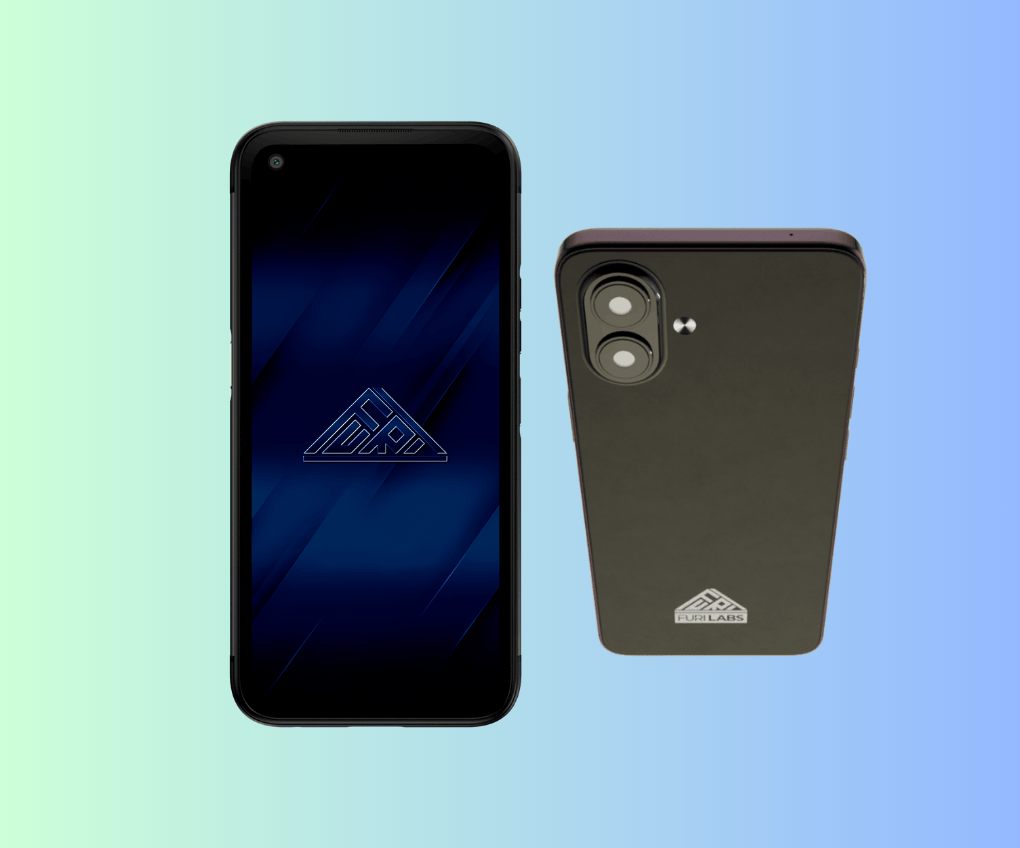
The Void Phone VX1 is the same as the FLX1s listed earlier but with an enterprise focus. This one is not for individual buyers. It's aimed at organizations ordering 100 or more units.
What you get here are mobile device management (MDM) features on top of FuriOS. We are talking device tracking, remote wipes, app whitelists, geofencing, and custom security policies.
Pricing varies based on volume, with tiers at 100-500 units, 500-1000 units, 1000-2000 units, and 2000+ units. If you are an organization interested in this device, then you'll need to contact Void Phone directly for a quote.
Wrapping Up
Linux smartphones are becoming readily available but are not suitable for the masses yet.
So, if you are an enthusiast or want to support the development of such phones, you can consider getting one of the devices.
💬 Do you already own one of these smartphones? Don’t hesitate to share your experience in the comments below!
If this helped you, consider supporting It's FOSS
It's FOSS has been helping people use Linux for the past 14 years. Help us stay independent from big tech. Become a Plus member, enjoy ad-free reading and get 5 eBooks.