


These days, it’s become fashionable to make fun of Ubuntu.
Whether it’s jokes about Snap packages or criticism of Canonical’s decisions, mocking Ubuntu often feels like the default attitude in parts of the Linux community.
To be fair, Canonical has made decisions over the years that have not always been well received, and some of the criticisms of Ubuntu and the direction it’s taken have their own merit. Yet, the derisive way Ubuntu is often talked about online isn’t particularly fair and, frankly, misses the point.
Ubuntu didn’t become the “face of Linux” by accident, nor did it gain its popularity and mass appeal (both on the desktop and servers) without real, solid reasons behind it. For many, it is in fact these same reasons that cause them to feel so passionately about the shift in direction since the early days.
Ubuntu’s speciality: Linux for Human Beings
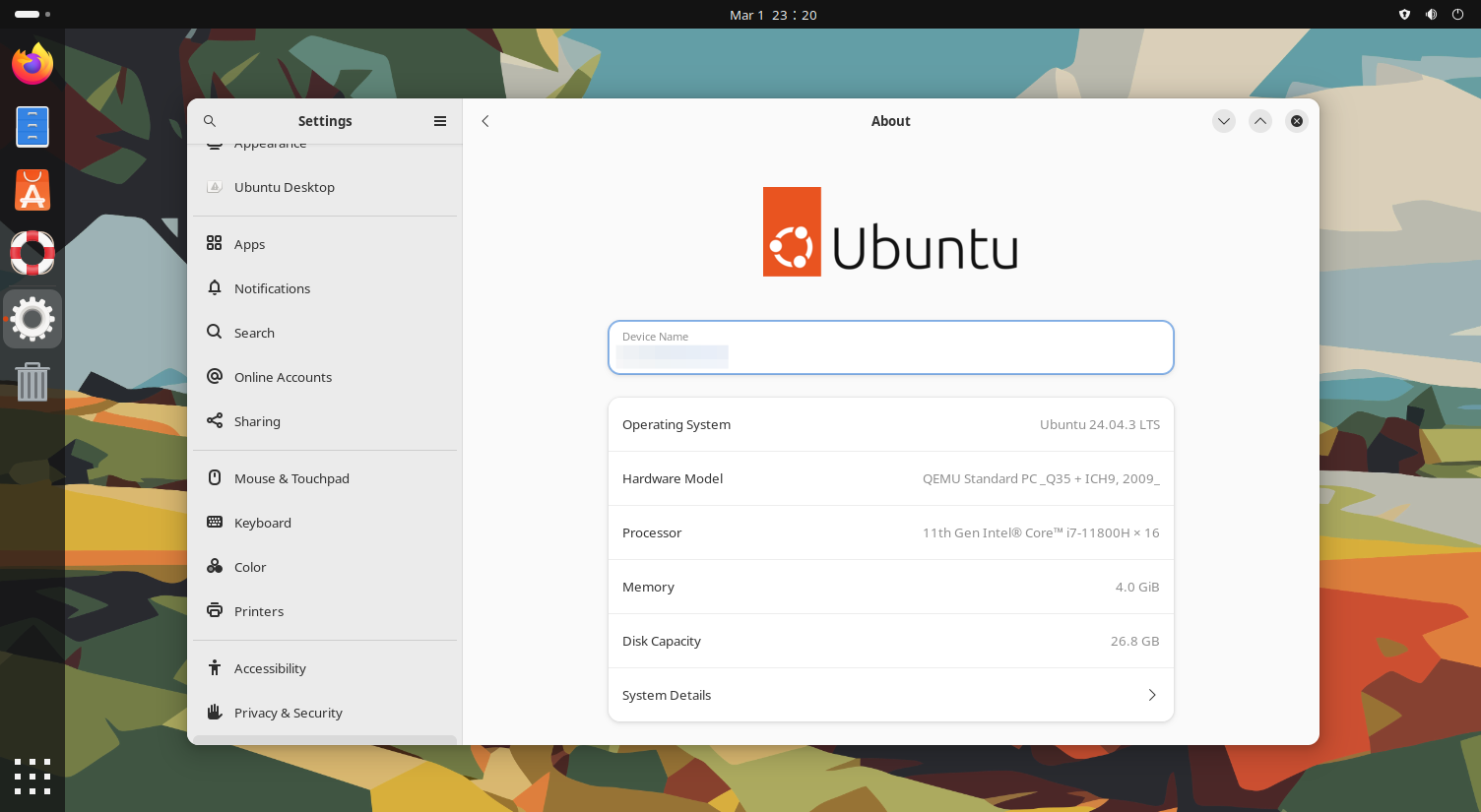
Ubuntu was once widely seen as the easiest Linux distro for beginners and a solid choice for both casual and “power” users alike. Many Linux enthusiasts (myself included) recommended it without hesitation because it was straightforward and opinionated in a way that just felt sensible for regular people. From the time you popped in a live CD, you got a sane, uncomplicated experience that felt like a breath of fresh air compared to Windows, and it made you feel like Linux could actually feel like home. All you had to do was install it, update it when necessary, and get on with your life.
The slogan “Linux for human beings” was more than a branding choice. Ubuntu embodied this motto in a very real way by reducing friction for everyday people and never being afraid to match form to function. It hasn’t always lived up to that purpose in ways that everyone agreed with, but the underlying mission has never truly changed, if we’re being fair.
Even with the shift towards a more developer-focused ecosystem, it has remained just as easy to download, install, learn the ropes (if you’re new) and get on with your life. Drivers are still a breeze to set up for most hardware. The default themes are still designed with a polished aesthetic taste in mind, and yes, installing apps easily and swiftly is still a major feature. Whether you’re deep in DevOps or a casual desktop user who wants a stable system that doesn’t demand constant babysitting, Ubuntu remains one of the most practical choices in the Linux world. In other words, the memes and tropes are loud and often funny, but reality still begs to differ because Ubuntu still delivers.
So why all the hate? What happened to our once beloved flagship among Linux distros?
From darling to punching bag (and why that happened)
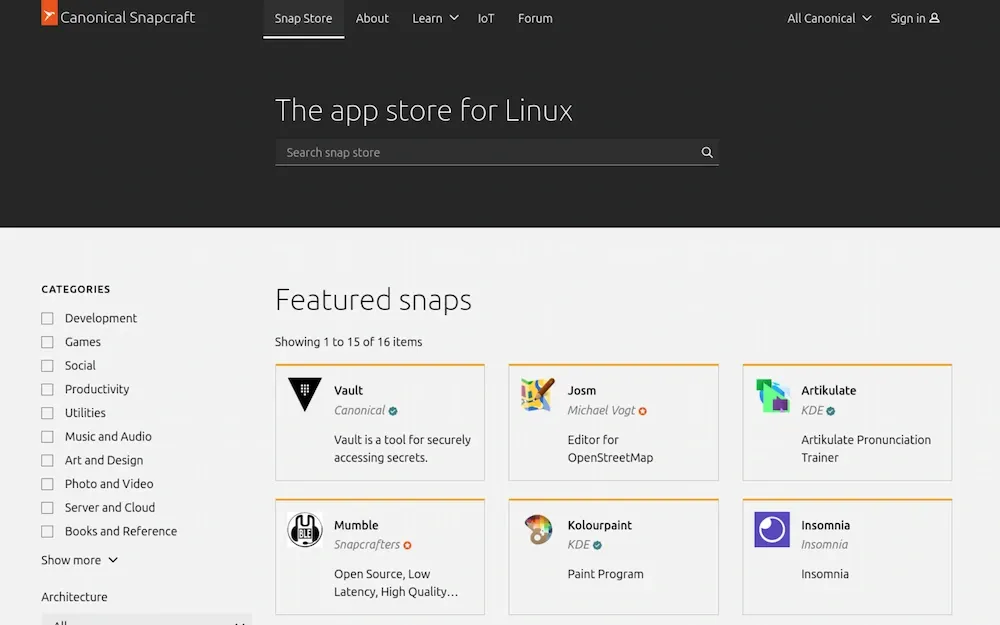
In order to understand why Ubuntu has been falling from its place of overwhelming popularity among Linux users, it’s important to remember that Ubuntu was not just a community effort, as is the case with many other distros. Ubuntu is both a community effort and a product of Canonical, and it’s actually the latter first. While the community has some say in what happens through feedback, bug reports, feature requests, and other standard open-source infrastructure, Canonical ultimately makes the call for what defines Ubuntu as a whole.
Like any company, Canonical makes decisions based on factors that aren’t always known or agreed with by the broader public. While many of these decisions have ultimately worked out well, just about as many have also proven not to work out in the long run. This fluctuation between success and well, failure, is a natural part of the product lifecycle for any long-running product.
Ubuntu is no exception to this rule.
However, from the perspective of the community, many of these decisions started steering Ubuntu in directions that many users found puzzling and, at times, concerning. The backlash didn’t come suddenly, nor did it stem from a single decision. It came from a notable pattern: Ubuntu choosing its own path, even when the broader Linux community preferred a different direction. While this isn’t inherently “bad”, it’s unfortunately created friction within the community. To be fair, some of these decisions, such as introducing Amazon affiliate links during the Unity era, or the decision to keep the Snap Store closed on the backend, haven’t followed the expected ethos of the Linux/open-source world.
Furthermore, with the Linux desktop constantly fighting the challenges of “fragmentation”, the decisions to use snaps over Flatpaks for a containerised solution, AppArmor over SELinux, etc, have brought on accusations of ‘NIH’ (Not Invented Here) syndrome. Unfortunately, while Canonical has reversed course on some of its more controversial choices and attempted to show goodwill and engage more collaboratively, the reputation and distrust are unfortunately hard to shake. Yet, in spite of these difficulties, Ubuntu itself has largely settled into a steady state, even becoming, in the eyes of some, “boringly stable”.
But whether or not this accusation is fair, it’s a sign that Ubuntu is largely doing its job. A boring desktop is often a reliable desktop, and for most people, especially people trying to work, play, study, or just have a functional computer, reliability beats novelty any day.
Taking a path less travelled, and yet…
Ubuntu is often criticised for “driving in its own lane”, but that independence is also why it has remained so relevant and popular. Many of the distros that have taken its crown in the ranks of popularity and ease of use are still Ubuntu derivatives. Even if they look different on the surface, or choose not to include technologies that have become synonymous with Ubuntu, they’re still Ubuntu at heart (like snaps).
This isn’t a mistake. Ubuntu is a solid base for the likes of Mint, Zorin, AnduinOS, and others because it’s stable, widely supported, and consistent, even while Canonical is willing to take the heat for making strong platform decisions.
Like any other distro, Ubuntu is a reflection of choices and decisions, whether those are made by the community, upstream maintainers, or the entity curating and tying everything together. It represents the collective work of everyone who contributes, packages, and builds. As such, it’s not just “another Canonical product”, even if the influence of a product mindset is evident. That combination of open-source philosophy and community culture, alongside the stability and direction of a commercially stewarded platform, is what makes Ubuntu unique.
Ubuntu’s mission is simple: ship something cohesive, make it consistent, and keep it well supported over time. Sure, it’s not always going to please everyone, especially those of us who would prefer a more decentralised decision-making process or more community consensus. But if we’re being honest, it’s also why we so often assume Ubuntu when we’re writing tutorials and install instructions.
That’s no accident, either. Ubuntu may not be perfect (no distro is), but it makes enough of the right choices to remain a dependable foundation, not only for users, but for an entire ecosystem built on top of it.
More than a desktop OS

Ubuntu and its ecosystem are often easy to reduce to the realm of “beginner distro,” but that view is outdated, and I’d even argue it’s never really been true. Granted, I personally started using Ubuntu because I wanted to see what the hype was about where the likes of Compiz, Beryl, and other flashy effects were concerned. Yet, I never even got to try any of the whiz-bang features until I was a few years into my Linux experience, due to hardware limitations. So what kept me here? It was recognising that Ubuntu is so much more than a desktop.
Ubuntu is a serious platform across the server space, cloud platforms, and embedded environments and infotainment, and even lives on in the mobile space due to the efforts of UBPorts. Personally, I’ve never run a VPS on any other distro, not because I couldn’t, but because I haven’t found any reason to choose another. Ubuntu just works, and when your mission is to keep servers reliably online and updated for yourself and clients, that’s exactly what you need it to do.
Ironically, many of the same reasons Ubuntu gets flack on the desktop are the reasons it’s preferred in development and server spaces today. For instance, using a snap to install and configure a web service like Nextcloud is far simpler than even using a more well-known solution like Docker. Some snaps don’t even require any further configuration beyond setting up basic admin credentials and settings through web-based UI.
Ubuntu’s LTS cadence is a lifeline for server stability. Once you’ve successfully deployed a complex server environment, it’s often preferable to keep it “as is” for as long as humanly possible, while still getting the necessary security upgrades and minimal feature changes that you need to keep it up to date. With a Ubuntu LTS, that kind of stability isn’t even a challenge to solve, because there again, it just works. You get the flexibility and familiarity of a Debian-based system, with the freshness and stability that Ubuntu brings to the table.
Another important point is that a lot of production environments, containers, tutorials, and automation examples are written with Ubuntu (or Ubuntu-like) systems in mind. By matching what’s common in the field, you spend less time fighting your environment and more time understanding and using the tools you need to get actual work done.
Giving Snaps a fair shake
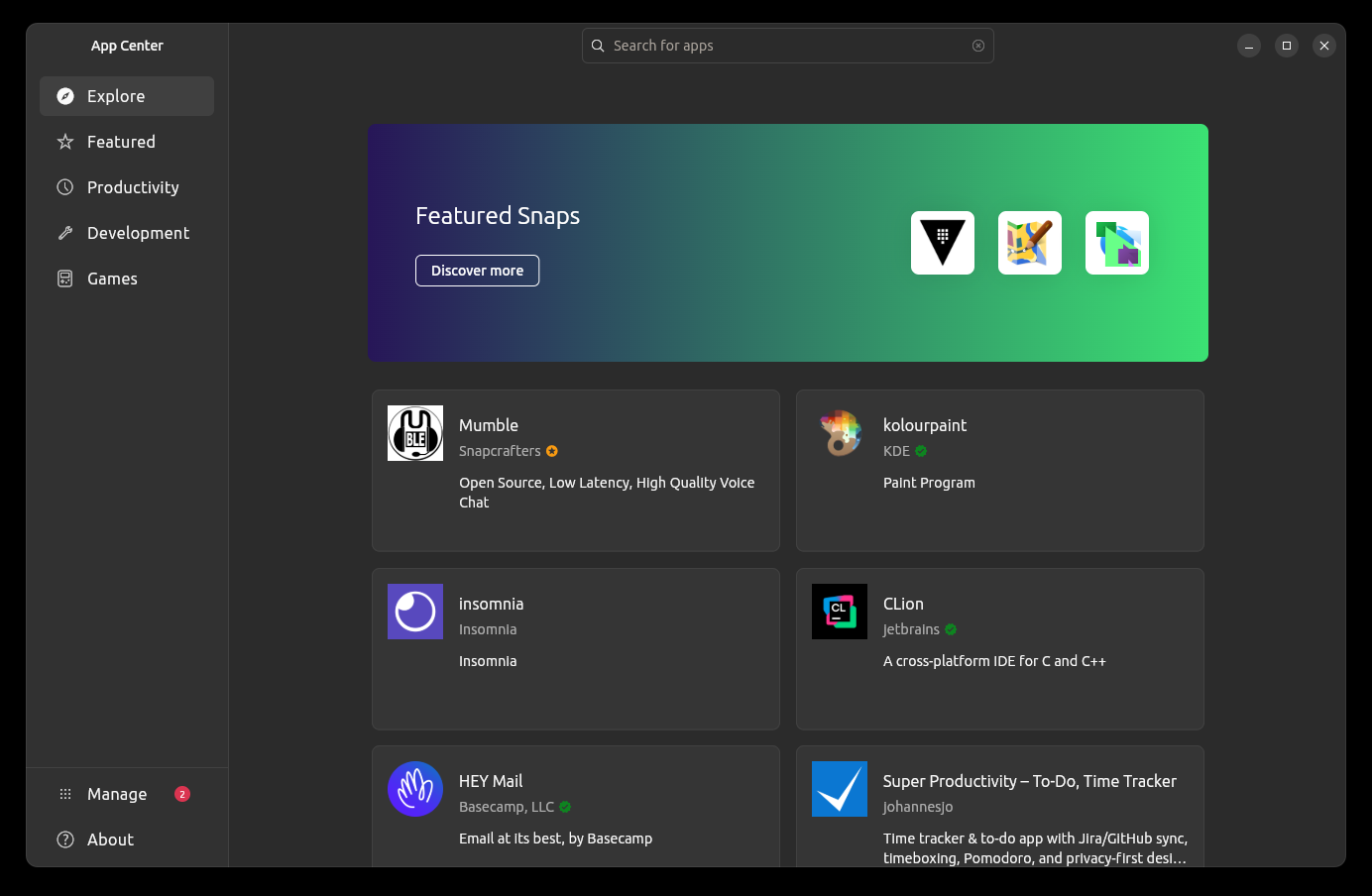
While “just getting work done” is one of Ubuntu’s hallmarks, that’s not typically what people think of when they think of snaps, and let’s be honest: snaps are a big part of why Ubuntu gets mocked. This criticism isn’t completely imaginary either. While the tech has come a long way, snaps still have some real-world challenges. But, the same can be said for just about any containerised packaging system. For the sake of fairness, let’s just get some of the remaining issues out of the way.
Theming inconsistencies still persist, especially if you are using an app built with a toolkit that your desktop isn’t built on. Snaps still take significantly more storage space than “native” packages, because they often depend on other “foundational” snaps. Also, there’s no open or decentralised software store, so we have to trust Canonical’s stewardship. These are real trade-offs, and it’s only fair to acknowledge them.
Usually, the discourse stops right here, as if “Snaps exist” is the same thing as “Ubuntu is unusable.” If I had a dollar for every time I’ve seen someone say “First thing I do is remove snap from the system”, I could end world hunger overnight. Yet, realistically, most people don’t choose an OS to make a statement about packaging decisions. They just want to be able to install what they need, do it quickly, keep it updated, and avoid breaking things in the process. Whether some in the community like them or not, snaps deliver on this promise.
By providing a consistent delivery mechanism for newer app releases, a simple rollback method and a clean way to clear app settings and data once an app is removed, snaps reduce dependency stress across different Ubuntu releases. For most types of software they simplify maintenance for developers and users alike. Plus, many of the issues that led to snaps being so heavily disparaged, such as slow startup times and terrible desktop integration, have been massively improved since their introduction, and continue to be improved with time.
Besides, even if you absolutely detest snap as a technology, Ubuntu is still flexible enough that you can make your own choices about where you get your apps and what package distribution formats you prefer. Case in point: most of the apps I use on my Ubuntu system today are Flatpaks and native applications, not because I don’t use snaps (I actually use quite a few), but just because that’s how most of the latest versions of the apps I need are currently packaged.
Why you can safely ignore the noise
Many of the arguments against Ubuntu these days are essentially identity- or philosophy- based, not practical positions. For most people, a better question is simply: what do you need your computer to do?
Ubuntu is still a strong choice if you’re new to Linux and want something straightforward, different from Windows and macOS, but familiar enough to not be a complete shock to the system. If you’re a developer seeking the friendly environment of a Linux-based workflow, choosing Ubuntu means you’ll have a system that matches the majority of guides and tutorials you’ll encounter online. The same is true if you work in DevOps or system administration.
The point is, whether you’re a casual desktop user or a seasoned denizen of SSH terminals, Ubuntu still meets the mark, offering stability, broad app availability, and the ability to Google a problem and find answers quickly.
Why it’s never going to be for everyone
It goes without saying, but Ubuntu can’t be everyone’s cup of tea either, and even some long-time users might find it no longer fits their needs. For instance, if you prefer ultra-minimal systems that let you build everything your own way, or even if you just want to avoid Canonical’s decisions on principle, Ubuntu won’t fit the bill, and that’s perfectly okay.
With the move to deliver more core components as snaps, it’s also understandable that some of us might be forced to choose other distros to avoid this fundamental change in direction.
What really matters here is that none of this is a matter of a moral judgement, though I’m sure some folks would argue otherwise (and hey, I respect it, even if I disagree). At the end of the day, it’s all about freedom and finding the matching tools to get the job done, whatever that means for you.
Final thoughts
Long story short, Ubuntu often gets the most backlash because it’s one of the most visible and durable targets. It’s a distro many of us have long outgrown, but it’s also the distro where we “cut our teeth” on everything Linux has to offer. It’s no surprise then, that it’s the distro many people now love to dunk on and poke fun at.
Love it or hate it though, Ubuntu remains. It’s still quietly doing what many people actually need, still serving its age-old role as many folk’s first foray into Linux, still pushing innovation and momentum across spaces where we need it most, and still helping the collective to gain market share. The work Ubuntu does behind the scenes may not always be exciting, but no doubt, it’s quite invaluable. It doesn’t have to be perfect, and sure, it would be nice to see it reclaim its former glory, even just for a bit of nostalgia.
But Ubuntu has earned its place among the Linux giants, and continues to prove itself every day. So maybe, just maybe, it doesn’t deserve our hate.