


We are approaching the end of 2025, and with it, the completion of the first quarter of this century.
The end of the year often brings a sense of nostalgia. Lately, it made me think about the first time I used Linux, nearly 16 years ago. It was Ubuntu 9.04. Since then, Ubuntu has experimented with many ideas. Some worked well, others didn’t.
For example, Ubuntu once had its own cloud storage service. It helped with file synchronization and made system migrations and version upgrades smoother. Over time, however, several such projects were discontinued.
Looking back, I think some of the ideas were ahead of the time and definitely worth trying.
 Abhishek Prakash
We are increasing It's FOSS Plus membership fee, for both yearly and lifetime membership. You still have the chance to lock in the old prices. Get the yearly membership here or opt for the lifetime membership for a single payment. Don't miss this.
Here's the highlight of this edition of FOSS Weekly:
- Denmark's VPN ban scare.
- The Tor Project's Rustification.
- Pop!_OS 24.04 LTS finally arriving.
- A new text terminal-based text editor.
- And other Linux news, tips, and, of course, memes!
- This week of FOSS Weekly is supported by Depot.
🔆 Guide to Docker Build Cache
Your Docker builds are slow, and you don't know why. Depot explains how layer caching actually works, why changing one file rebuilds everything after it, and when the cache helps versus hurts.
Learn the difference between bind mounts and cache mounts, discover why RUN apt-get update doesn't fetch new packages on rebuilds, and see how to structure your Dockerfile so dependencies don't rebuild on every code change. The guide covers multi-stage builds, cache invalidation patterns, and BuildKit features that make images smaller and builds faster—with command-line examples and real-world optimizations you can apply right away.
 Andrea Anderson
📰 Linux and Open Source News
- GNOME has forbidden vibe coded shell extensions.
- A recently proposed bill in Denmark has people worried.
- OpenShot 3.4 is here with major upgrades across the board.
- Rhino Linux 2025.4 is out as the project's final release of 2025.
- Cinnamon 6.6 has arrived just in time before the next Linux Mint release.
- The Tor Project has certainly been busy with its Rust transition, as the latest Arti release looks promising.
- Pop!_OS 24.04 LTS is finally here, and it's looking good.
 Sourav Rudra
🧠 What We’re Thinking About
Is SysAdmin a good career choice going into 2026? I think so, yes. But you need to skill up.
 Abhishek Prakash
YouTube's AI moderation is enshittification at its finest.
🧮 Linux Tips, Tutorials, and Learnings
NTFSPlus aims to bring faster and cleaner NTFS support to Linux.
 Roland Taylor
If choice stresses you out, Linux might not be your thing.
 Roland Taylor
From tracing fleeting processes to spotting network issues, these utilities make hard problems easy to see.
 Neville Ondara
👷 AI, Homelab and Hardware Corner
Does your cat have a habit of dragging in de*d rats? Then Catflap Prey Detector could be what you are looking for. An It's FOSS reader made it himself and shared the code in his GitHub repo.
 fl2o
fl2o
If you are building a NAS, these open source OSes will not disappoint you.
 Pulkit Chandak
Lightweight, powerful, or stylish? Explore the best Raspberry Pi desktop operating systems:
 Abhishek Prakash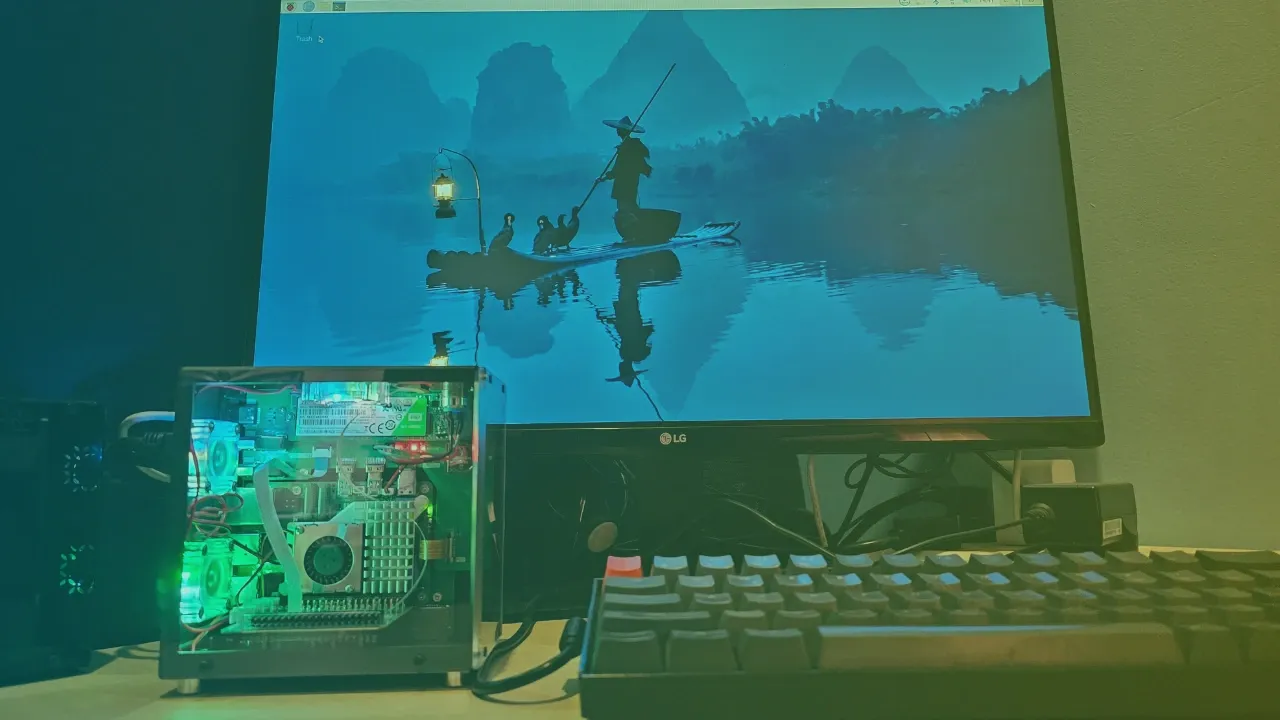
✨ Apps and Projects Highlights
If you find Nano difficult to use, you will like Fresh, a fresh new terminal-based text editor. And yes, it is written in Rust.
 Sourav Rudra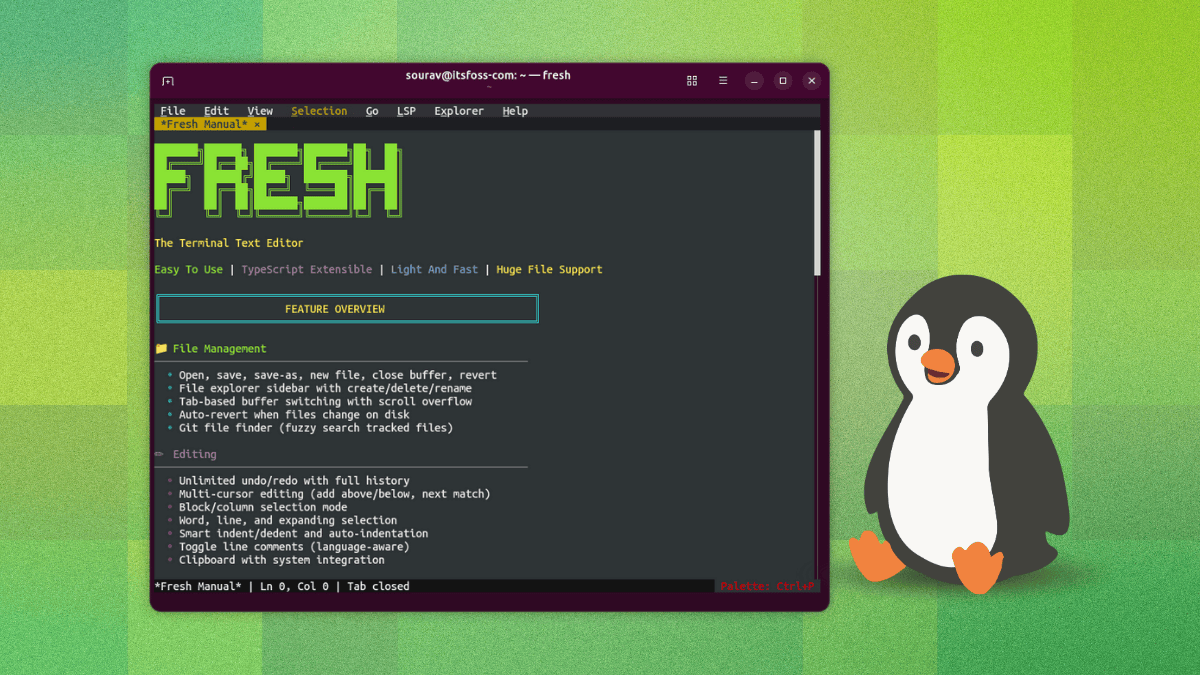
SnapScope is a vibe-coded tool for scanning Snap packages for any lurking threats.
 Sourav Rudra
📽️ Videos I Am Creating for You
There are two apps to manage GNOME Extensions and the official app is not as good as the other. Watch it in action in this week's video.
💡 Quick Handy Tip
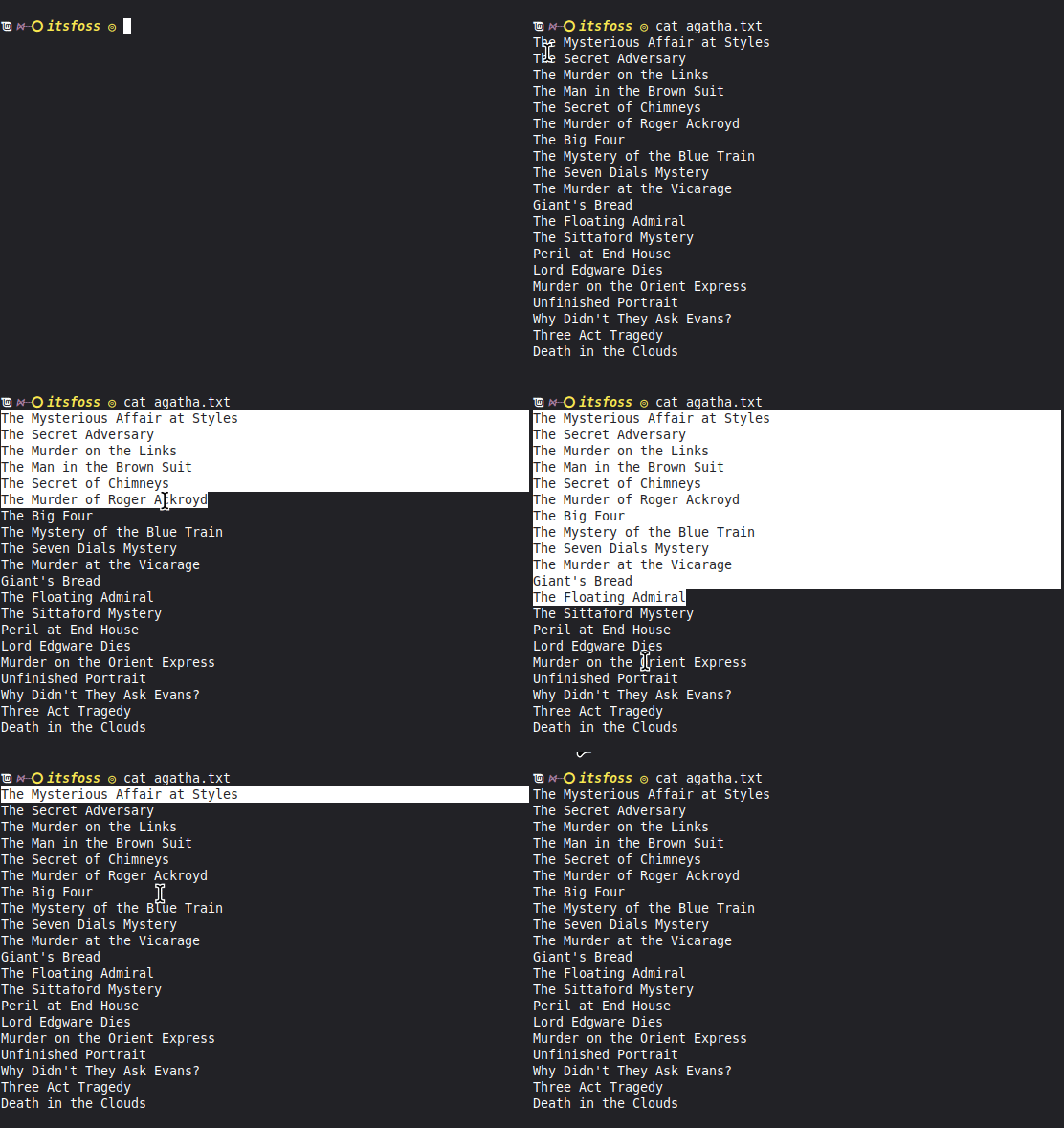
In the terminal, you can extend a text selection by holding Shift and clicking elsewhere. First select a word (or part of a word), then hold Shift and click another location to select everything up to that point. This also works inside the Nano editor.
🎋 Fun in the FOSSverse
Match the Linux distros with their logos in this quick puzzle!
 Abhishek Prakash
🤣 Meme of the Week: Windows who? Is it some sort of niche farming tool? 🤔

🗓️ Tech Trivia: On December 16, 2003, the CAN-SPAM Act of 2003 was signed into United States law, establishing the nation’s first federal standards for commercial e-mail in an effort to reduce unsolicited messages, though waivers for political and religious content have led critics to question its effectiveness.
🧑🤝🧑 From the Community: Pro FOSSer Ernie has posted a very insightful thread on how computers communicate today.
 ernie
ernie
❤️ With love
Please share it with your Linux-using friends and encourage them to subscribe (hint: it's here).
Share the articles in Linux Subreddits and community forums.
Follow us on Google News and stay updated in your News feed.
Opt for It's FOSS Plus membership and support us 🙏
Enjoy FOSS 😄