


If you have not heard of LibrePlan before, then you wouldn't be alone. When they sent us a press release, I was wondering what this project was for. Then I read up on it, and it turns out to be an open source, self-hosted, web-based project management tool that has been around since 2009.
It can handle project planning, resource allocation, time tracking, and progress reporting, and its target customers are organizations that want full control over their own infrastructure and data.
Now, they have introduced a new release that adds some useful features around collaboration, project tracking, and a pretty notable expansion of language support.
What's new?
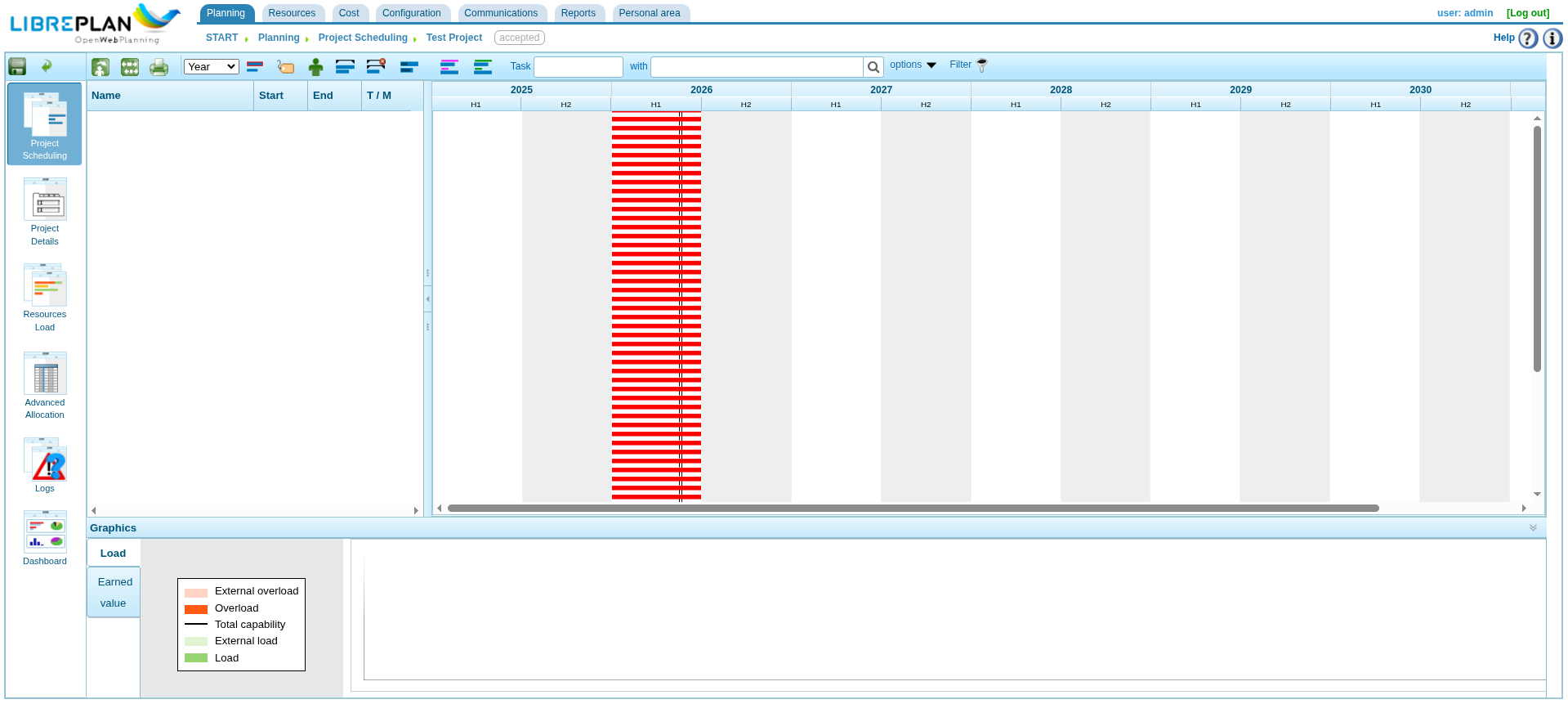
The 1.6.0 release arrives with email support for major user groups, per-project document repositories, and configurable email templates with notification support.
Project managers also get a few new visibility tools. There is now an issue and risk log, a pipeline overview, project margin tracking, and traffic light-style status indicators in the project list view.
The last addition in particular should be handy, letting you spot which projects need attention at a glance without you needing to click through each one.
Moving on to the highlight of this release, we have the expanded language support, which takes the earlier four languages supported number all the way to 19.
These include Czech, Chinese, German, Persian/Farsi, Russian, Italian, Norwegian Bokmål, Dutch, Polish, Portuguese, Brazilian Portuguese, Swedish, Ukrainian, and Simplified Chinese.
None of these new additions have been through manual review, though. They were put together using AI tooling, and the project is counting on the community to spot mistakes and tighten things up.
Get LibrePlan
LibrePlan 1.6.0 is available now, with Docker images for the Community Edition available on Docker Hub, and a live demo environment is accessible on the official website.
There's also a separate enterprise-focused version called LibrePlan Enterprise for organizations looking to deploy this release, and the source code for the Community Edition lives on GitHub.
You can learn more about this release in the announcement blog.
Suggested Read 📖: Fedora's AI Move Hits a Roadblock
 Sourav Rudra
Enjoyed this update? Support independent Linux news coverage
It's FOSS has been helping people use Linux for the past 14 years. Help us stay independent from big tech. Become a Plus member, enjoy ad-free reading and get 5 eBooks.