

The ESP32 microcontroller has become a popular choice among tinkerers. Released by Espressif Systems, this chip comes with WiFi, Bluetooth, multi-core processing, and enough GPIO pins to handle a variety of projects.
Thanks to its versatility, it has found use with students building their first microcontroller project to engineers prototyping commercial products. The ecosystem surrounding ESP32 has grown too, including countless projects, tutorials, and community support across forums and GitHub repositories.
As 2026 unfolds, the ESP32 projects scene continues to evolve. Here are 11 builds that show what's possible with this multipurpose microcontroller.
A Quick Look
| Project | Difficulty | Key Features |
|---|---|---|
| Retro Weather Station | Beginner | e-paper Display, Battery Powered, OpenWeather API |
| Ultrasonic Radar | Beginner | Real-time Visualization, Custom GUI |
| Bluetooth-Controlled Robot | Beginner | Cardboard Build, Game Controller Support |
| GPS Tracker | Intermediate | Geofencing, SMS alerts, WiFi-based |
| Bed Occupancy Sensor | Intermediate | Home Assistant Integration, Sleep Tracking |
| Dual-Screen E-Reader | Advanced | Two e-Paper Displays, Custom Firmware |
| Mini Desktop Monitor | Intermediate | Wireless Screen Mirroring, 5-60 FPS |
| Voice Recognition | Advanced | Offline ML, Edge Impulse Training |
| LED Matrix Display | Intermediate | 64x32 RGB, MQTT, Web Interface |
| 3D Printer Controller | Intermediate | Temperature Regulation, Servo Vent Control, Adaptive Cooldown |
| Pomodoro Timer | Beginner | e-paper Display, Rotary Dial, USB-C |
1. Retro Weather Station with e-Paper Display
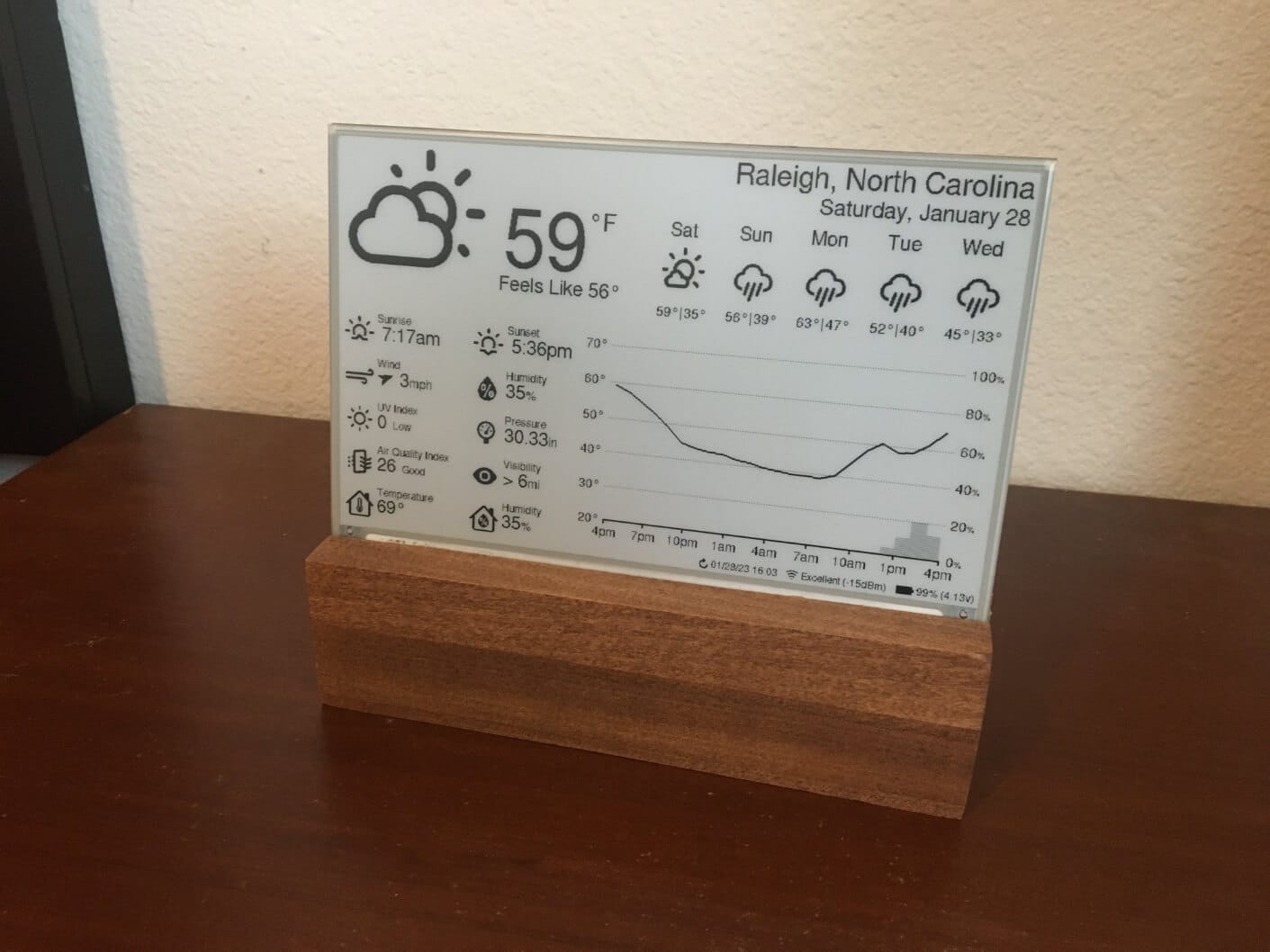
The ESP32 E-Paper Weather Display is a low-power weather station that can run on battery for months. It uses a 7.5-inch e-paper screen to show current weather and a 5-day forecast from OpenWeatherMap. A BME280 sensor tracks indoor temperature and humidity.
The e-paper display draws very little power during updates, and combined with the ESP32's deep sleep mode, the USB-C charged 5000mAh battery can last 6–12 months with updates being fetched every 30 minutes.
The build uses a FireBeetle 2 ESP32-E board and a DESPI-C02 adapter to connect the display. You can pair it with several compatible e-paper panels, like black/white, red/black/white, or 7-color options.
The GitHub repo linked below (and above) includes all the code and wiring diagrams.
2. 180-Degree View Ultrasonic Radar
The ESP32 Ultrasonic Radar System is a DIY radar that scans surroundings and shows detected objects on your computer screen. An HC-SR04 ultrasonic sensor is mounted on an SG90 servo motor that rotates 180 degrees to achieve the wide radar coverage.
The ESP32 onboard sends distance and angle data over a serial port to a processing application that draws a radar display.
You will need an ESP32 board, HC-SR04 sensor, SG90 servo motor, and the Processing IDE on your computer to get this up and running. The GitHub repository contains both the code for the ESP32 and the processing script for the visualization.
3. A $25 Bluetooth-Controlled Robot
This wheeled robot uses cardboard and hot glue for the chassis, with the total cost to build staying under $25. It is called DirtCheapRobot and uses an ESP32-WROOM board that handles Bluetooth connections and motor control through a DRV8833 driver. A mini USB battery bank powers it.
The robot works with Bluetooth game controllers thanks to the included Bluepad32 support, and plays nice with hardware from PlayStation, Xbox, Switch Pro, and other generic providers.
All components connect through a standard breadboard with jumper wires, so no soldering is needed. The GitHub repository includes the code, a complete bill of materials, the wiring schematic, and assembly instructions.
4. GPS Tracker with Geofencing and SMS Alerts
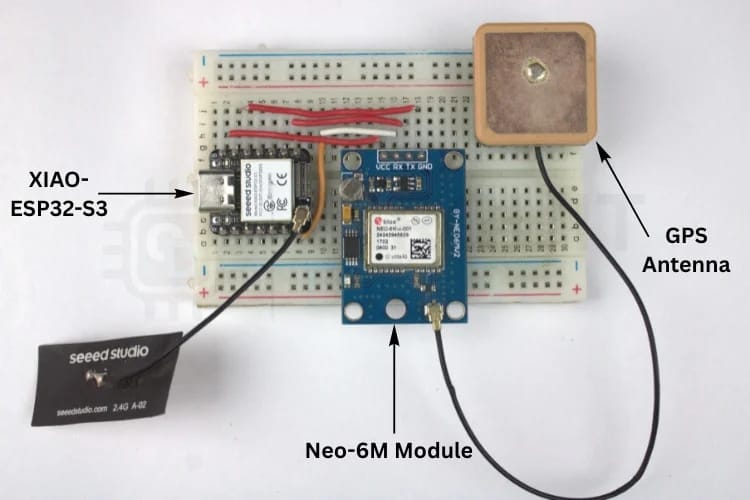
Most GPS trackers rely on having an active cellular data plan and GSM hardware. This WiFi-based alternative pairs a XIAO ESP32-S3 with a NEO-6M GPS receiver, while location data is routed through the GeoLinker cloud platform.
Position updates transmit every 15 seconds over available WiFi networks. The system stores coordinates locally during connectivity gaps, uploading the backlog once network access returns.
For geofencing, if the configured boundary threshold (between 10-5000 meters) is crossed, the device automatically starts sending SMS notifications containing GPS coordinates (requires another service to work).
 Vedhathiri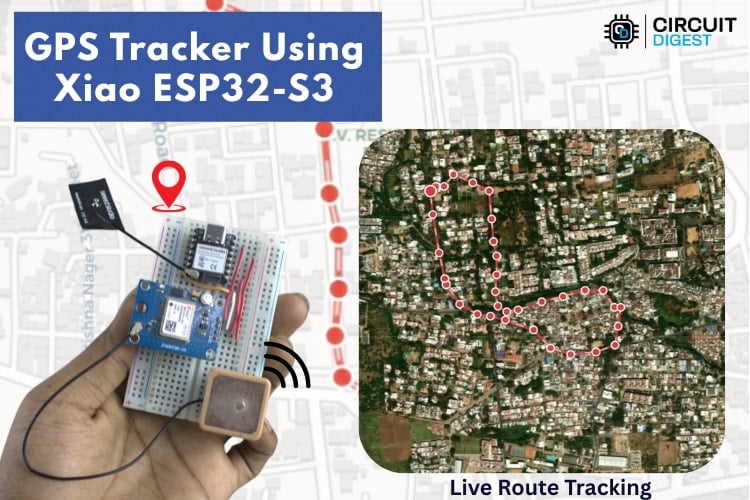
5. Smart Bed Occupancy Sensor
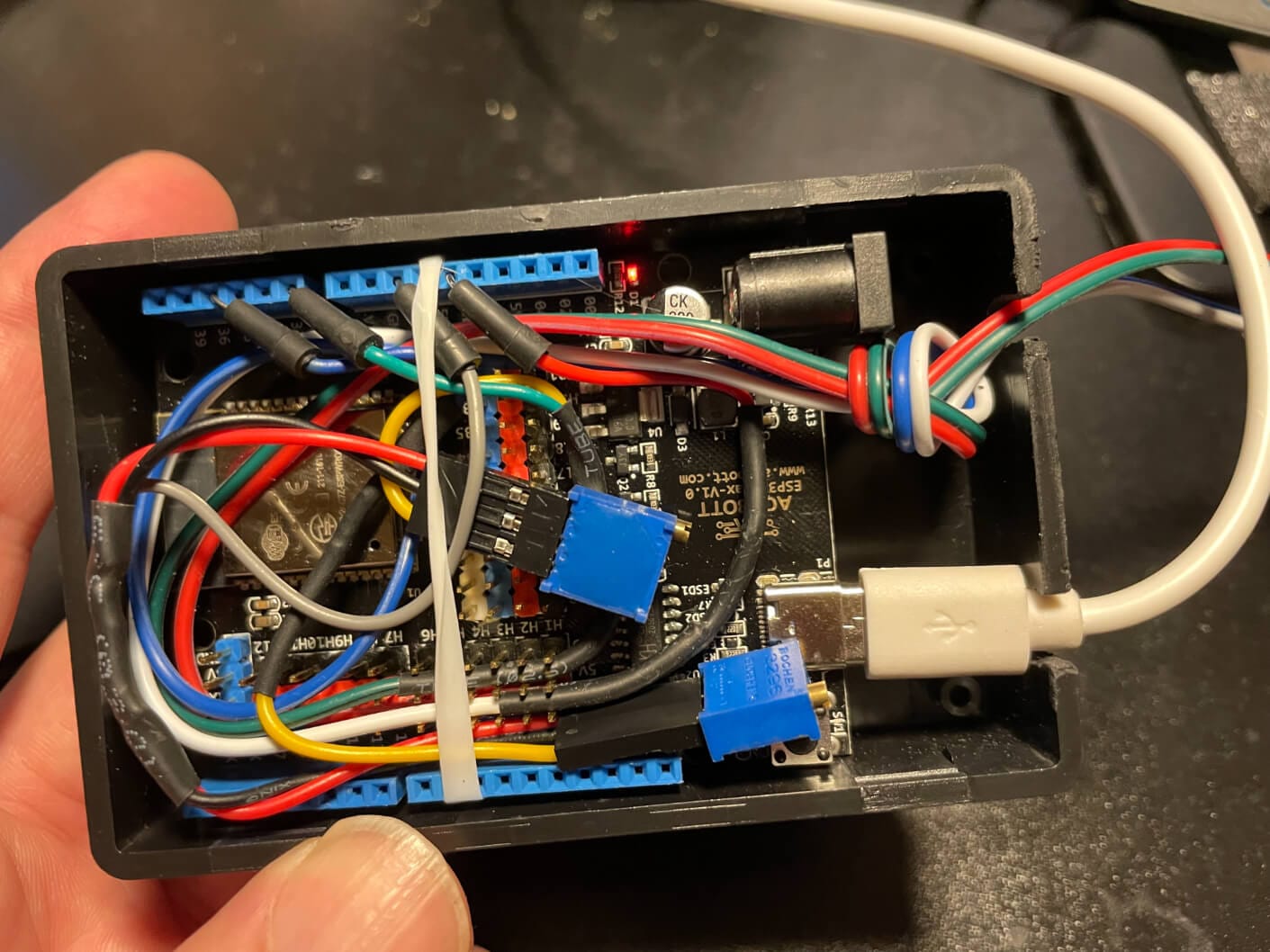
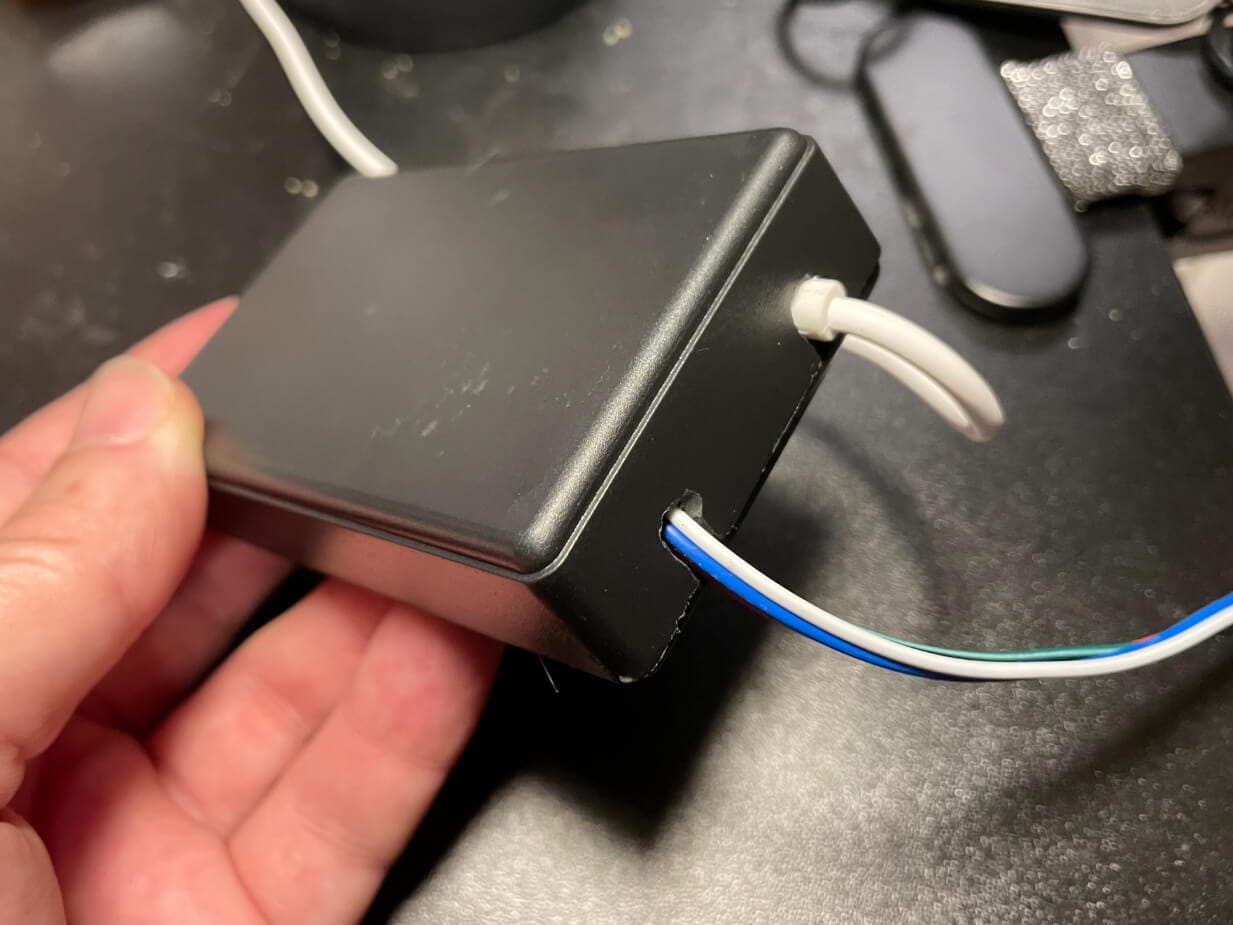
This ESP32-based bed sensor uses two force-sensitive resistors placed under the mattress to monitor each side of the bed independently, so the system knows not only if someone is occupying the bed but which side is being used.
Potentiometers are also integrated to allow for sensitivity adjustments to account for different weights and mattress types, and the resistors themselves are positioned diagonally to maximize coverage.
The system integrates with Home Assistant and can be programmed to improve room occupancy detection by working alongside PIR and mmWave motion sensors. All the data from this setup can be stored on Grafana.
6. Dual-Screen e-Reader That Folds Like a Book
The Diptyx e-reader puts two 648×480 e-paper displays side by side in a fold-open housing. The ESP32-S3 drives both screens simultaneously, creating a book-like reading experience.
The dual-screen layout should work well for going through books, research reports, and so on. Also, there's no DRM involved, so you can read books sourced from any digital bookstore, provided they are in the EPUB format.
The project will be fully open source once the initial design is finalized, so you can keep an eye out on its official website and its Crowdsupply page.
7. A Small Desktop Monitor
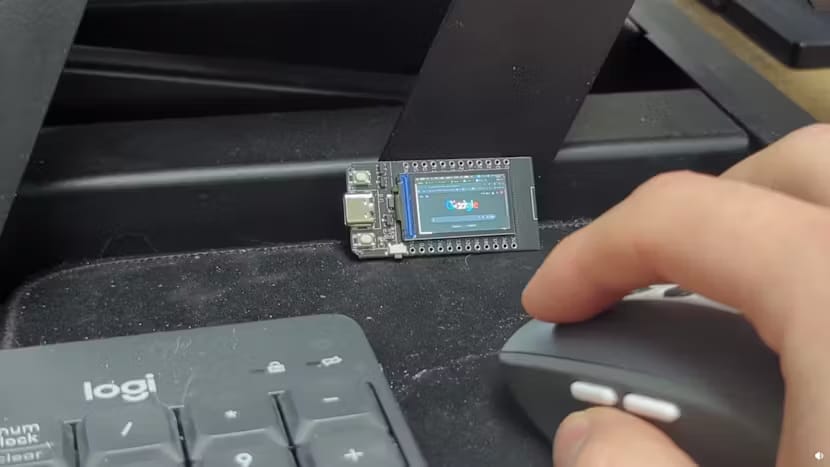
The ESP32 Desktop Monitor project enables you to stream your computer screen to a tiny display over WiFi. It uses a TENSTAR T-Display ESP32-D0WD with a 1.14-inch ST7789 LCD that displays at 135×240 pixels, turning an otherwise humble microcontroller into a pocket-sized secondary screen.
The setup is shared between a host application and the ESP32 board. The software consists of a host transmitter that captures your screen, encodes it, and sends it over WiFi to the ESP32 receiver to update the tiny display.
 Nick Bild
8. Offline Voice Recognition with Edge Impulse
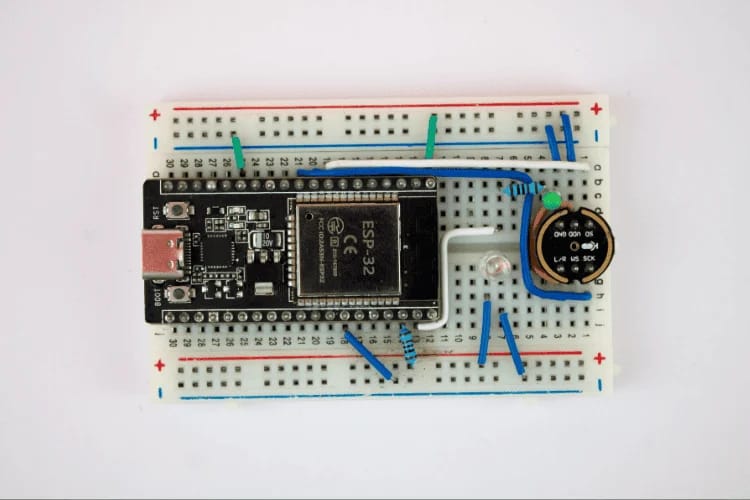
This project by Circuit Digest turns an ESP32 microcontroller into a simple offline voice recognition system using machine learning from Edge Impulse. Instead of relying on cloud speech services, you train a small model on your computer and deploy it directly to the ESP32, so the board can recognize spoken commands without an internet connection.
At the heart of the build is an ESP32 development board paired with an INMP441 MEMS microphone. You collect audio samples, upload them to Edge Impulse, label them (for example, "on," "off"), and train a neural network.
Once trained, you export the model as an Arduino library, include it in your ESP32 sketch, and compile it for on-device inference.
9. RGB LED Matrix Display
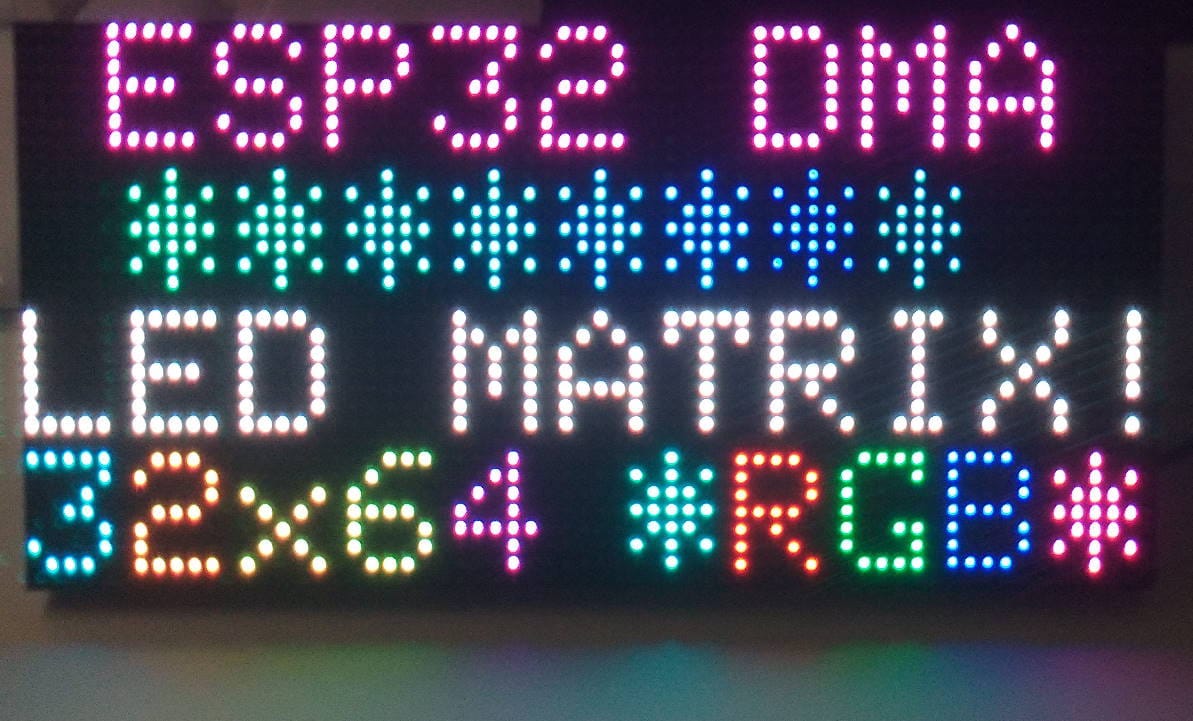
The ESP32 HUB75 Matrix Panel DMA is a library that lets you drive RGB LED matrix panels with an ESP32 using its DMA hardware for high refresh rates. It supports common HUB75 panels (like 64×32 and 64×64) and works with original ESP32, ESP32-S2, and ESP32-S3 boards.
In the build featured here, the ESP32 pulls data from Home Assistant, while the DMA library handles driving the display. It uses a Waveshare panel and relies on the ESP32’s DMA capabilities to refresh the display efficiently without overwhelming the CPU.
 Adam Conway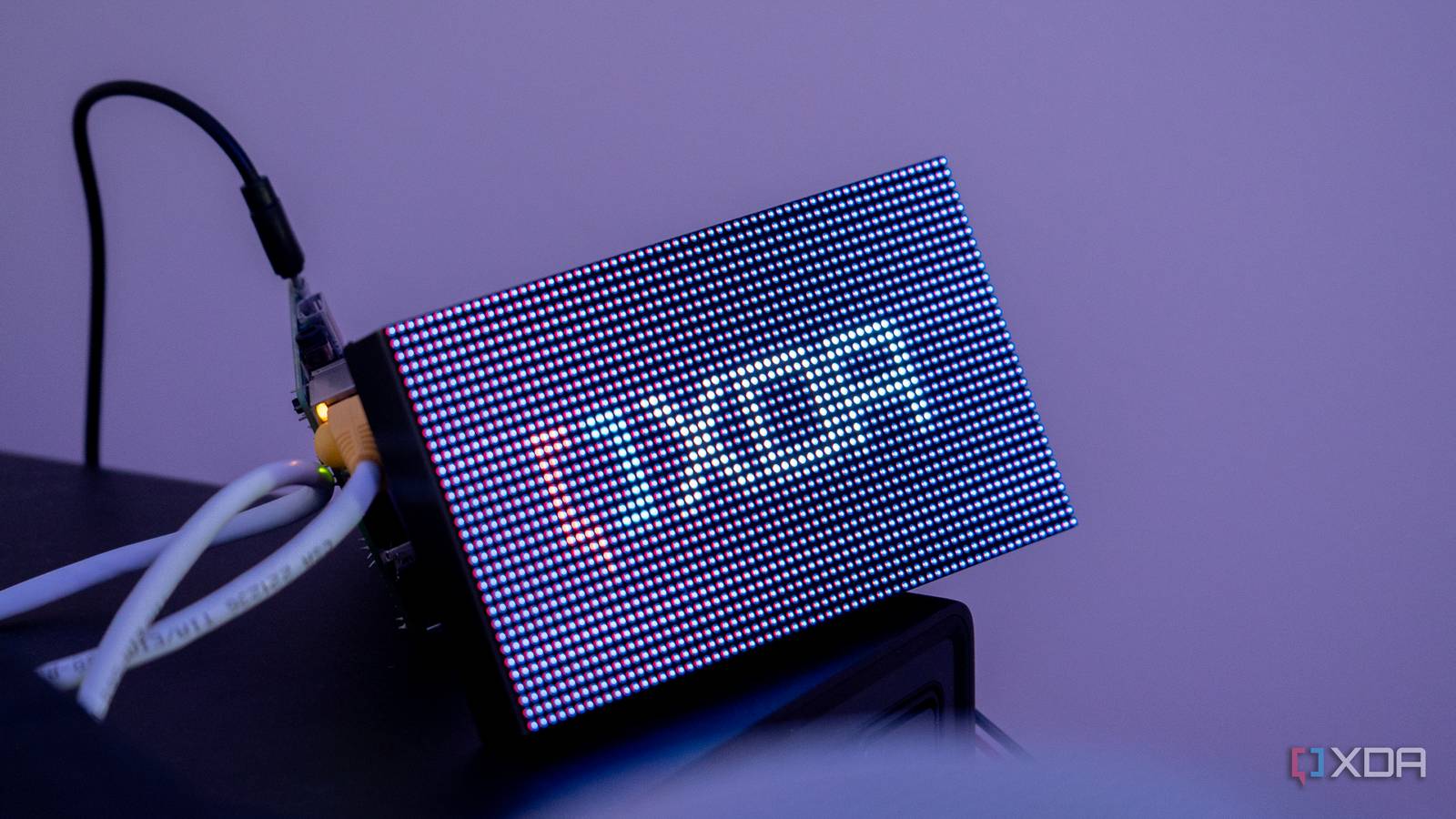
10. 3D Printer Enclosure Controller
Chamber Master is an open source ESP32-based controller for 3D printer enclosures that helps regulate chamber conditions like temperature and airflow for better print quality.
The ESP32 monitors temperatures inside the enclosure, at the air intake, and in the room using sensors such as DS18B20 and a DHT11 or DHT22, and it provides a simple interface on an OLED display with a rotary dial for selecting presets or custom targets.
A built-in web dashboard lets you monitor real-time sensor data, fan status, and vent position.
11. e-Paper Pomodoro Timer
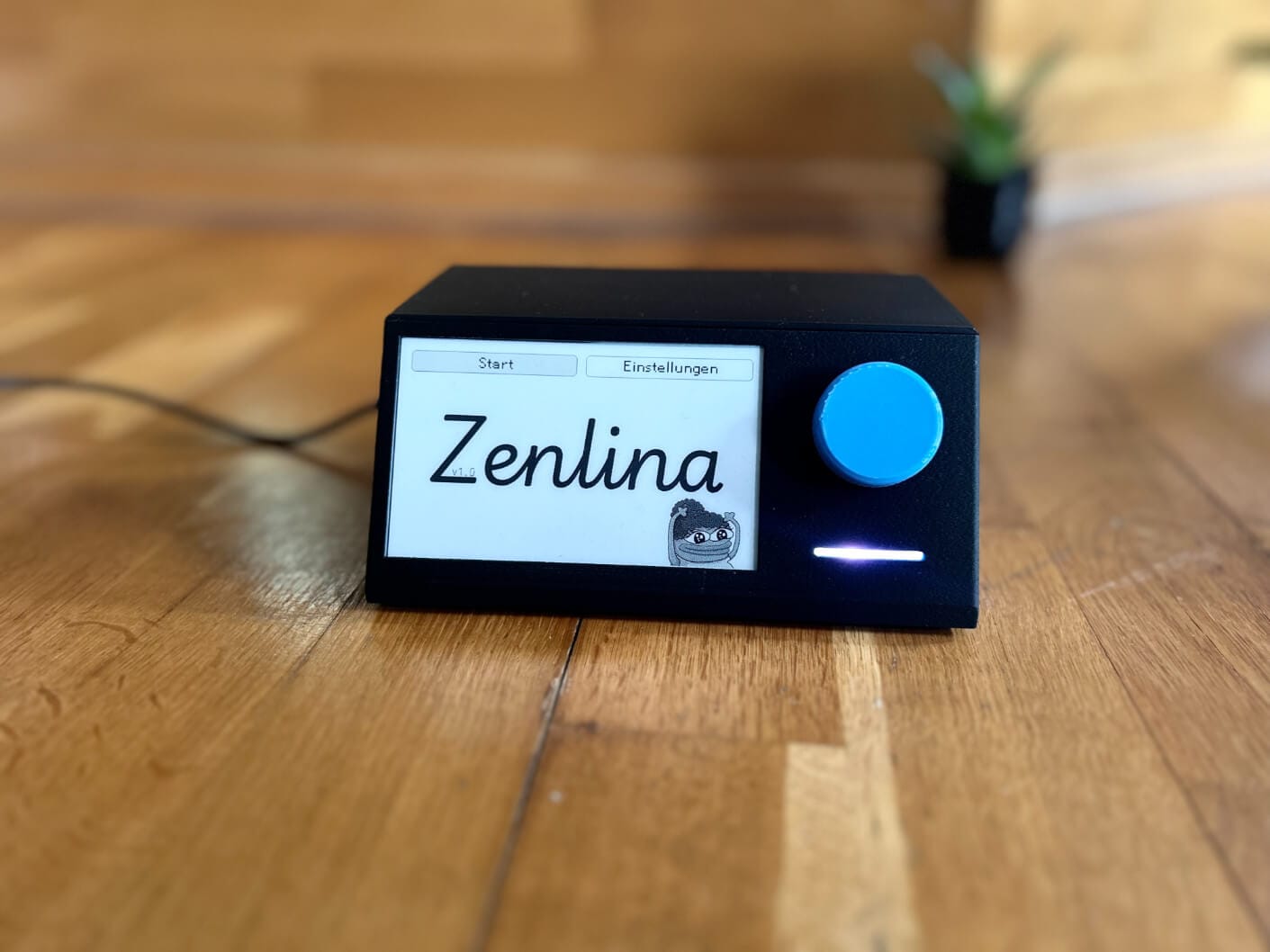
This ESP32 project is a standalone Pomodoro timer built around an e-paper display and a rotary dial for input. An ESP32 NodeMCU drives a 4.26-inch Waveshare e-ink panel, with the dial used to set work and break times. A small RGB LED signals when a session ends.
The timer runs locally on the ESP32 and only refreshes the e-paper display when the time changes, keeping power use low. All interaction is done with physical controls, so there’s no phone app or web interface to worry about.
You will find the necessary code and enclosure files on GitHub.
Suggested Read 📖: Pomodoro With Super Powers
 Roland Taylor